THE WHY Brings ‘Freedom’ into the Conversation Across Copenhagen

Across banners, cinema screens and cultural venues, five documentaries invited audiences to pause and consider one urgent question: what does freedom mean today?
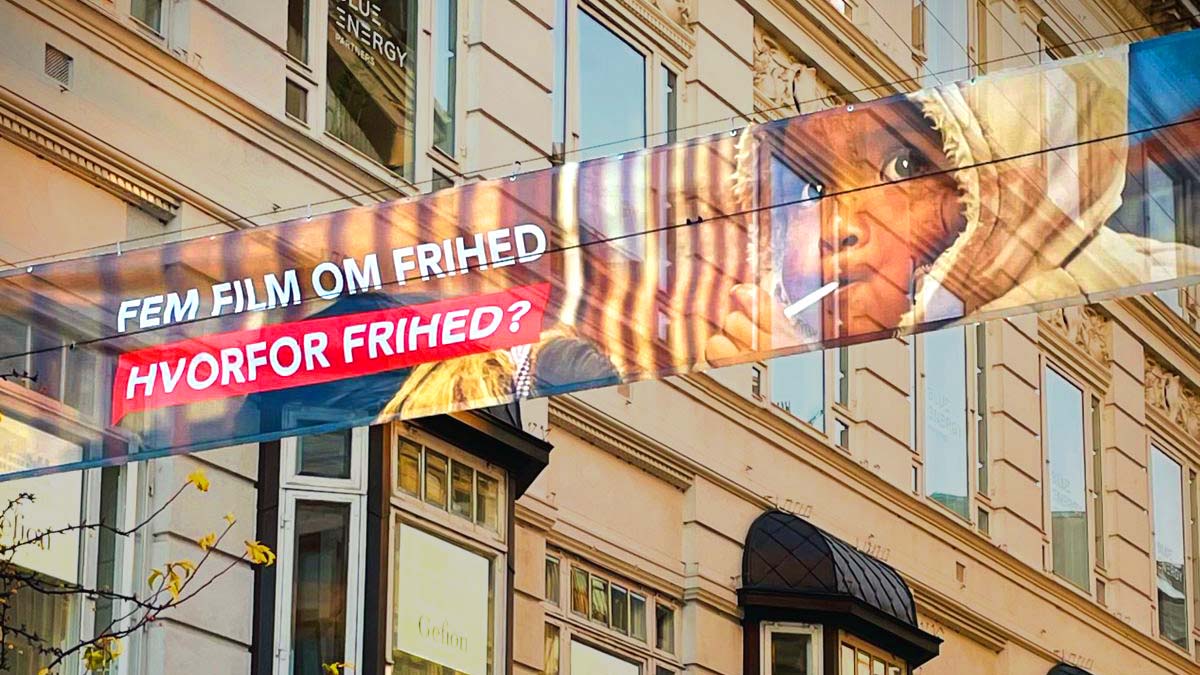
This autumn, the question appeared across Copenhagen, printed on banners in the city’s public spaces, projected onto cinema screens and carried into conversations between filmmakers and audiences. It was deliberately simple, yet harder to answer than perhaps it first seemed. At a time when democracy and individual liberties are under growing pressure, it invited passers-by and filmgoers alike to consider what freedom means in their own lives.
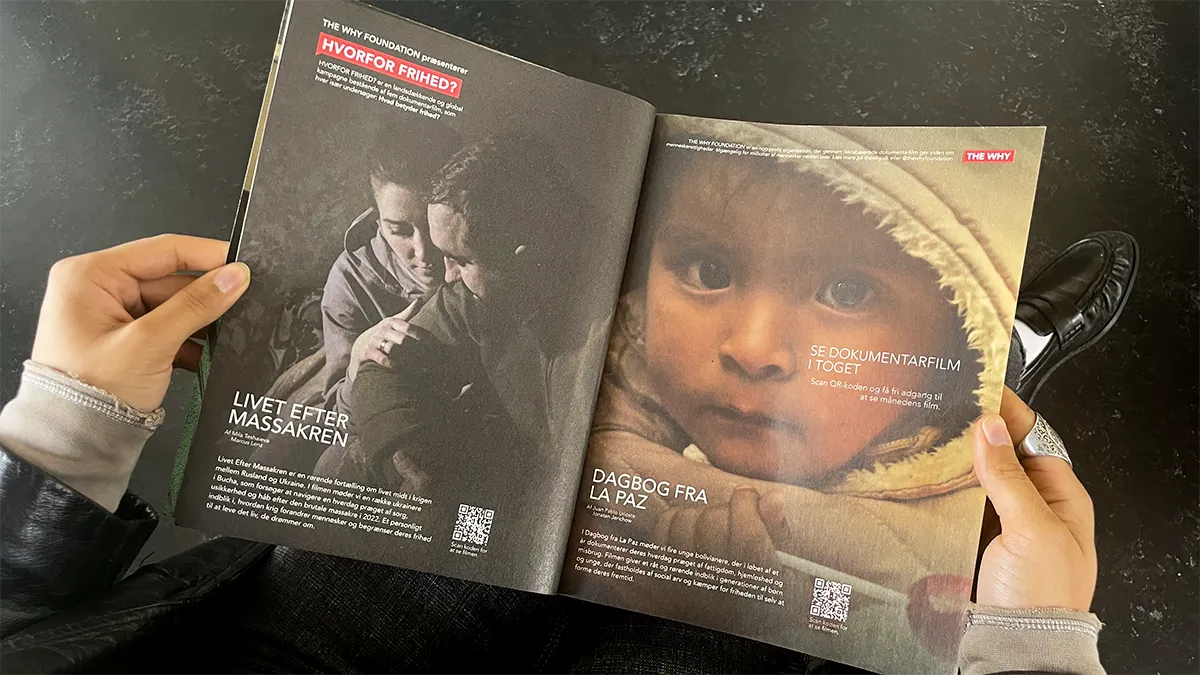
The question is at the heart of WHY FREEDOM?, THE WHY Foundation’s sixth global documentary campaign. Five years in the making, the campaign brings together five films from five countries, each exploring freedom through deeply personal stories: the freedom to live without war or fear, to speak openly, to think independently and to choose one’s own future.
Ahead of the films’ national broadcast on DR, the campaign brought audiences together for preview screenings at cinemas and cultural venues across Copenhagen. A series of preview events turned the documentaries into starting points for public dialogue, bringing filmmakers, journalists and audiences together to explore how freedom – or the lack of it – shapes people’s lives.
Bucha’s Longing for Freedom from War
THE WHY brought the raw realities of the Ukrainian conflict to MovieHouse Hellerup, welcoming audiences for an exclusive preview of Shards of Light (Danish title: Livet Efter Massakren), the Ukrainian contribution to the series. Held on 25 October, the screening showcased a powerful documentary by directors Mila Teshaieva and Marcus Lenz, which follows five residents of Bucha over three years as they painstakingly rebuild their lives after the Russian occupation. Through their intimate accounts, the film explores the enduring trauma and uncertainty of civilian life away from the front lines, while revealing resilience, hope and a shared longing for a future free from war.
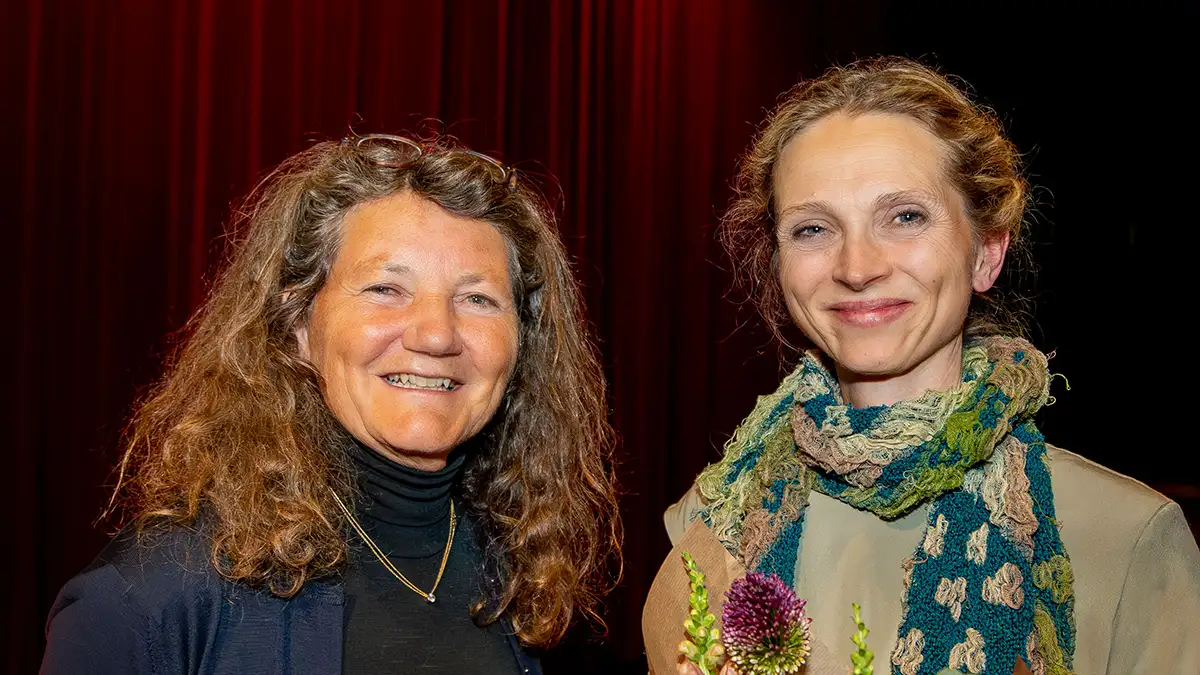
Following the screening, foreign correspondent and author Matilde Kimer drew on her years of reporting from Ukraine to reflect on the experiences of life in wartime. One scene was particularly familiar: a soldier returns home from the front to streets where shops are open, people meet and daily life continues, seemingly untouched by the war. For those fighting, she explained, this sense of normality can be deeply unsettling - a reminder of the distance between the relative freedom behind the front lines and the burden carried by those defending it. Yet it is precisely this freedom, Kimer noted, that they are fighting to preserve.
The discussion concluded with a Q&A, where audience members reflected on how the documentary format portrays the human toll of war in ways that daily news cannot: allowing space for emotional depth, personal storytelling, and cinematic immersion.
Filmmaking and Freedom in Times of Conflict
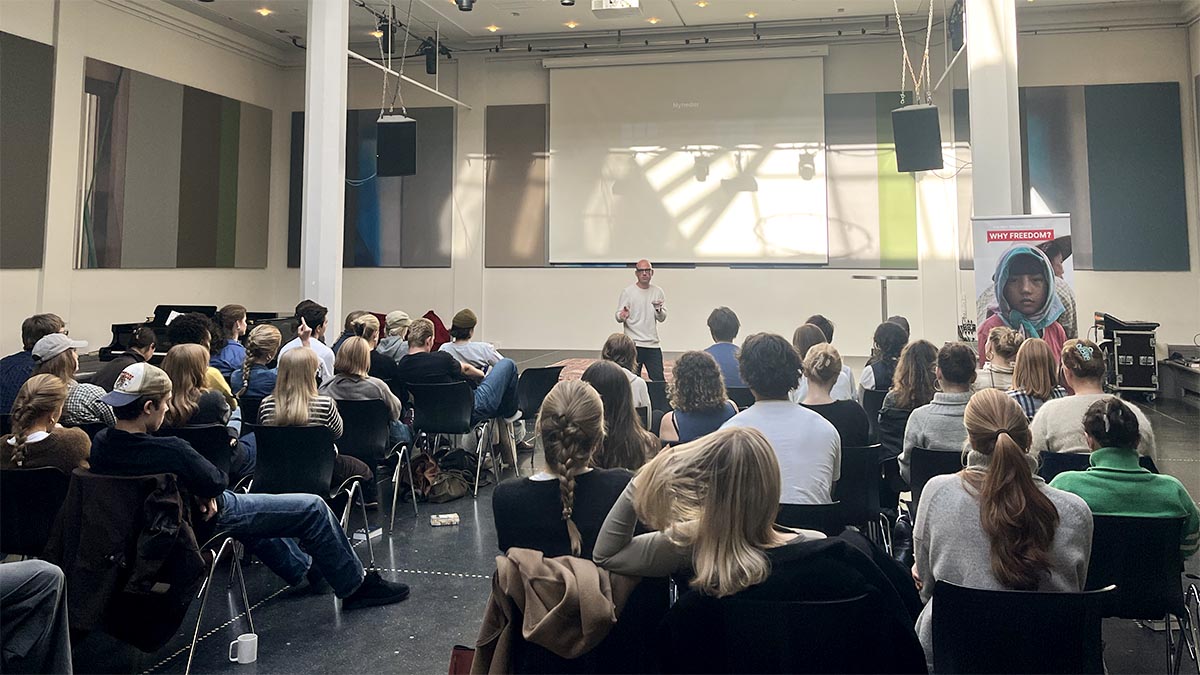
The screening of Myanmar Nightmare (Danish title: Myanmar Mareridt) at Johan Borups Højskole on 27 October opened a conversation about the challenges of documenting life in a conflict zone. Directed by Kaspar Astrup Schröder, the documentary offers an intimate portrait of one family’s search for safety amid an unfolding civil war, revealing what the freedom to live without fear means when violence and uncertainty shape everyday life.
After the screening, students took part in a Q&A with the director, discussing the importance of documenting stories from areas of active warfare, the risks involved and how filmmakers can protect both themselves and their subjects amid the fighting.
Sparking Debate on Free Speech and Polarisation
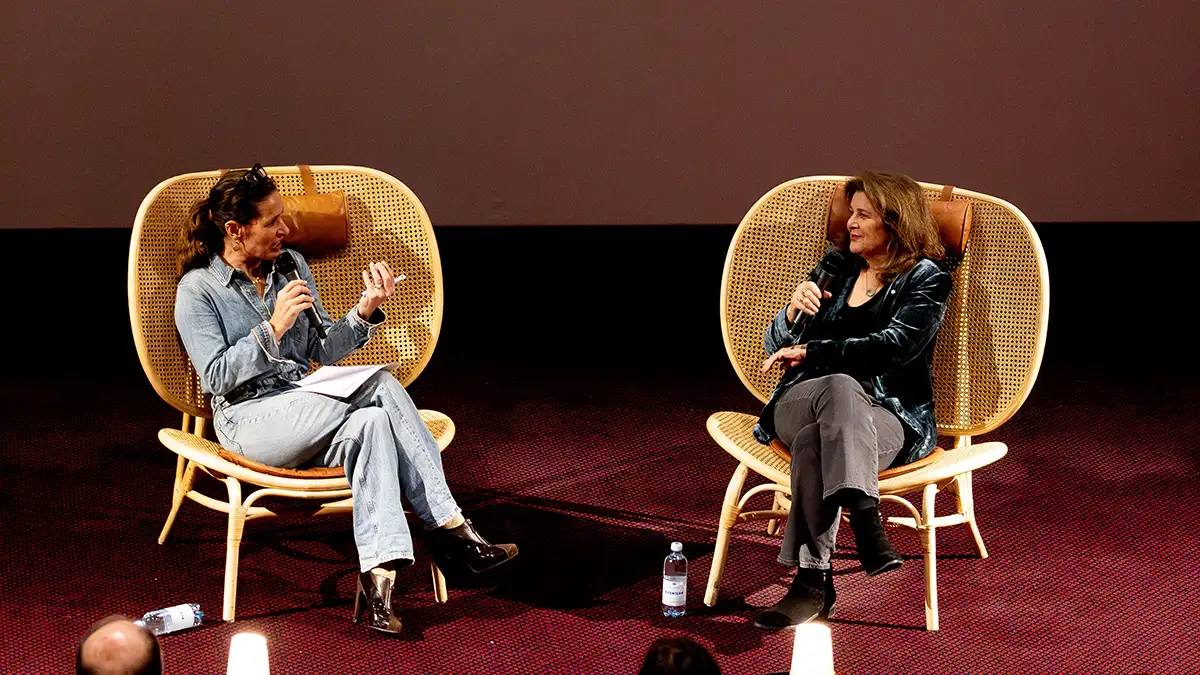
On 1 November, the focus shifted to the increasingly polarised debate over freedom of speech, with a screening of Speechless (Danish title: Speechless – Kampen om Campus) at MovieHouse Hellerup. Nearly a decade in the making, the documentary examines how intense debates around race, gender, and identity grew from American university campuses into a global culture war centred on whether there are limits of free expression and who gets to decide them.
Following the screening, Emmy Award-winning director Ric Esther Bienstock took part in a conversation moderated by journalist Mette Walsted Vestergaard. The dialogue continued the following day at Den Sorte Diamant, where Bienstock joined author and commentator Moussa Mchangama for a second discussion, hosted in partnership with The Royal Danish Library.
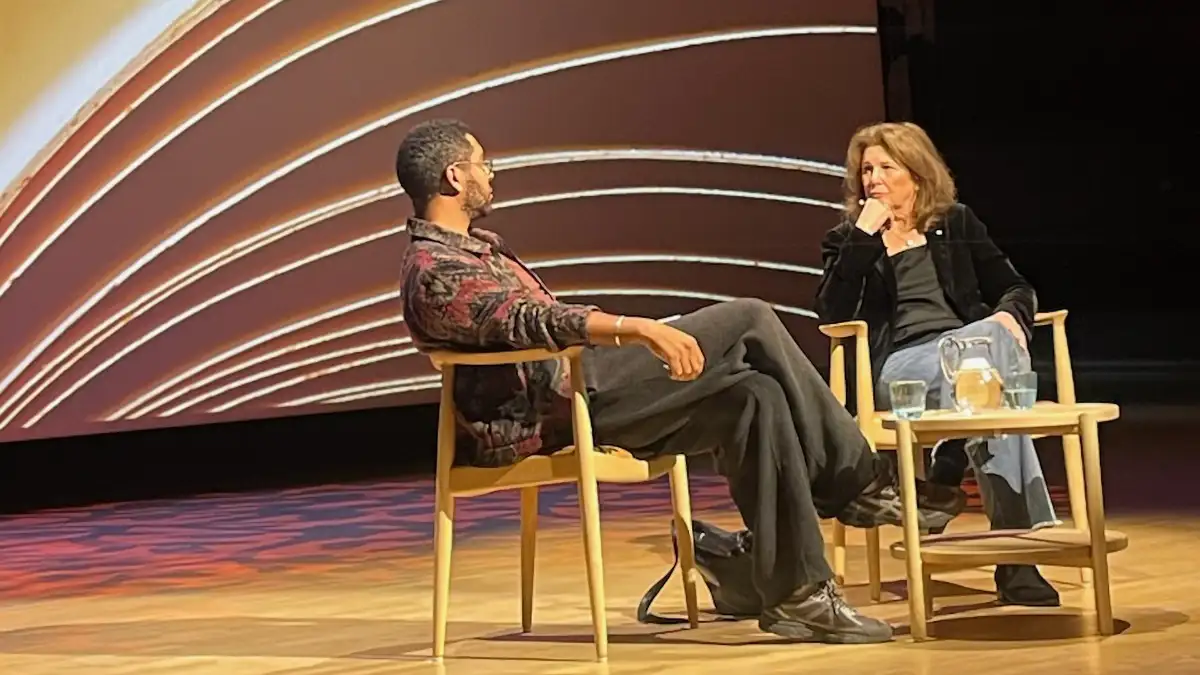
Both events sparked lively audience discussions about polarisation, self-censorship, and the cost of losing our collective ability to have difficult conversations. Bienstock argued that free speech suffers most when opposing sides become so entrenched that they stop listening to one another. Reflecting on the film’s ultimate purpose, she noted: “I want this film to be shown at universities to start debates.”
Creating a Space for Dialogue Across Denmark
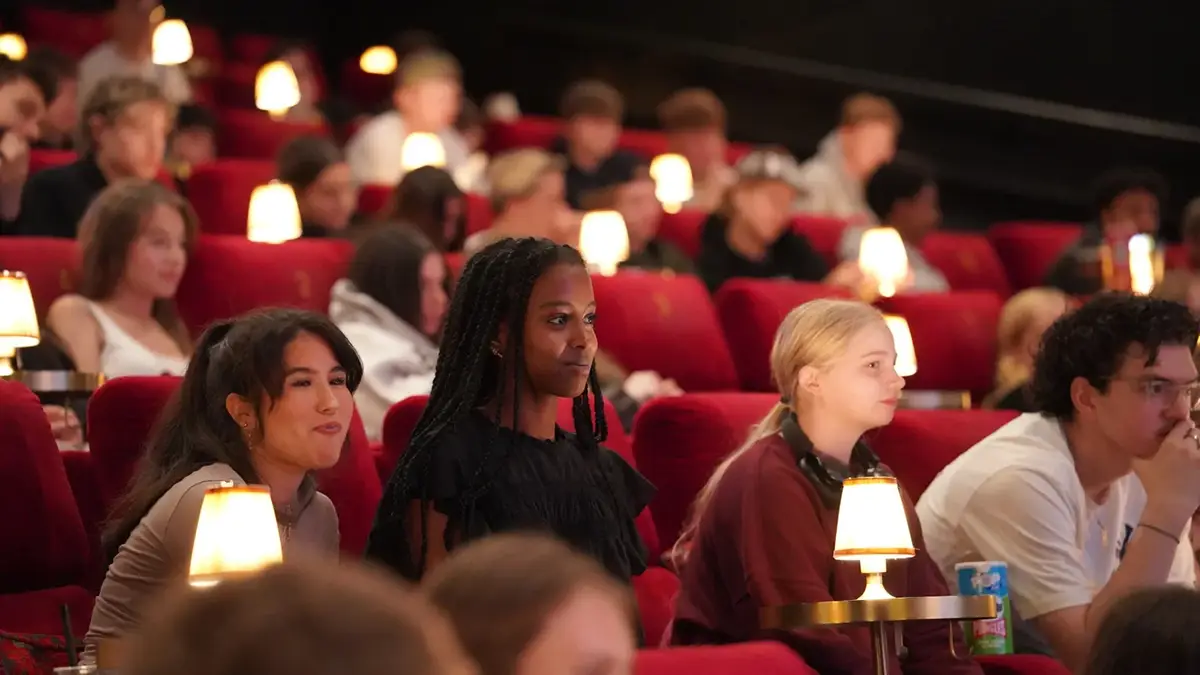
Throughout the autumn, these events showed that documentary films can do far more than tell a story – they encourage reflection and dialogue. A key part of this initiative was reaching young people through screenings at folk high schools (højskoler) and Studenterhuset. By engaging with stories from Ukraine, the United States, Myanmar, India and Bolivia, audiences were invited to reflect on the value of freedom, the forces that threaten it, and why it matters now more than ever.
These autumn screenings followed earlier previews held this year at Cinemateket and the Roskilde Festival, where the two remaining films were showcased. Diary from La Paz (Danish title: Dagbog fra La Paz), directed by Jonatan Jerichow and Juan Pablo Urioste, follows four young people on the streets of Bolivia’s capital to explore how poverty, homelessness and addiction restrict the freedom to choose one’s future. Alongside it, Pankaj Johar and Sunaina Kapoor’s Catching Them Young (Danish title: Guruens Disciple) examines a traditional Hindu school in Varanasi, exploring how education and ideology can constrain the freedom to think.
Continuing the Conversation on Freedom Across Denmark
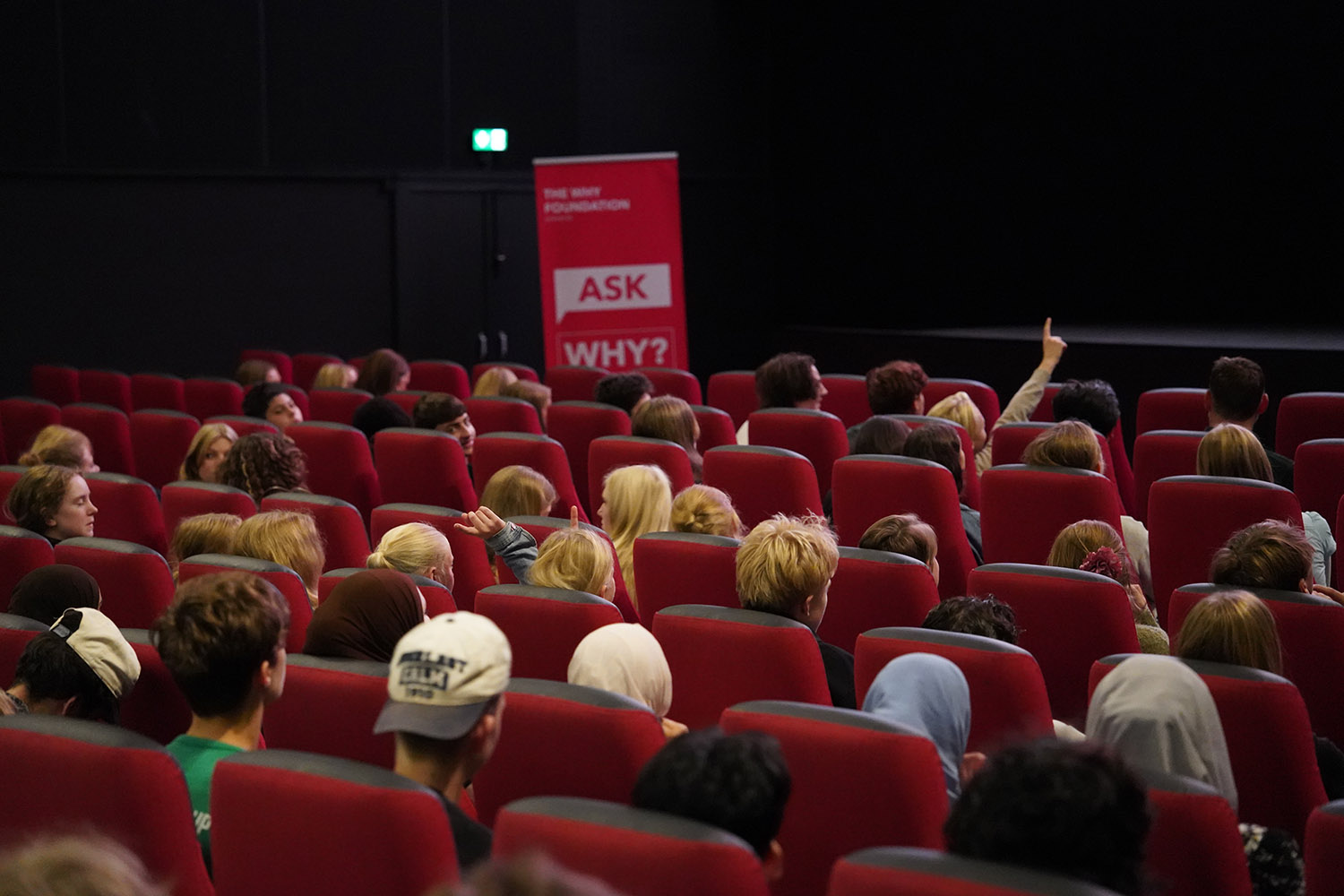
Four of the five films from WHY FREEDOM? are now part of THE WHY’s ASK WHY Docs school programme, which offers 30,000 cinema seats each year to students in grades 8 -10 across 38 participating municipalities in Denmark. Using the cinema as a classroom, the programme invites students to local screenings three times during the academic year, introducing them to critically acclaimed documentaries from around the world. The films bring contemporary social, environmental and human rights issues to young audiences at a level they can relate to, creating space for discussion, critical thinking and democratic education.
All five films are now streaming on DRTV, inviting viewers across Denmark to explore the question at the heart of the campaign: Why Freedom?