%20(119%20%C3%97%2038%20mm).webp)
Human Rights Film Festival brings documentary films to young people in Bamenda, Cameroon
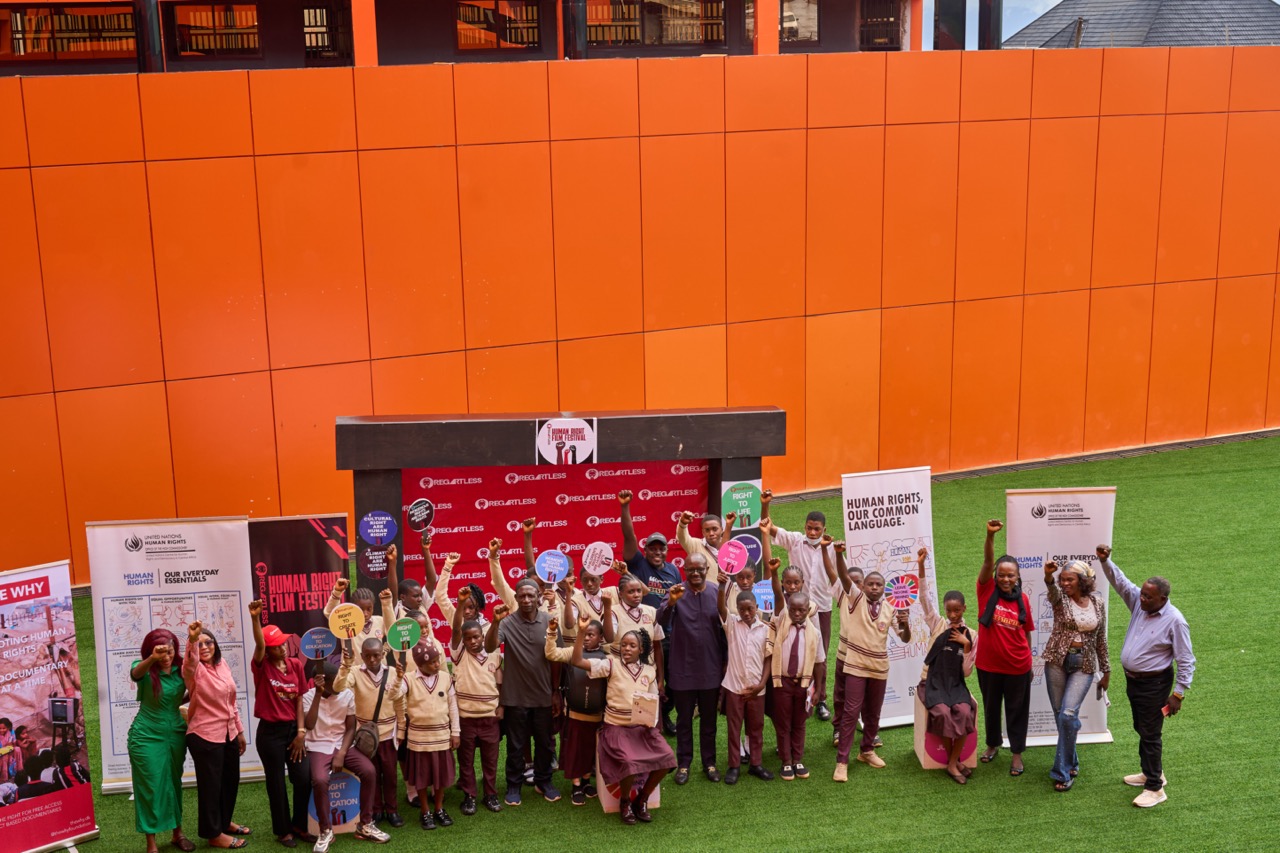

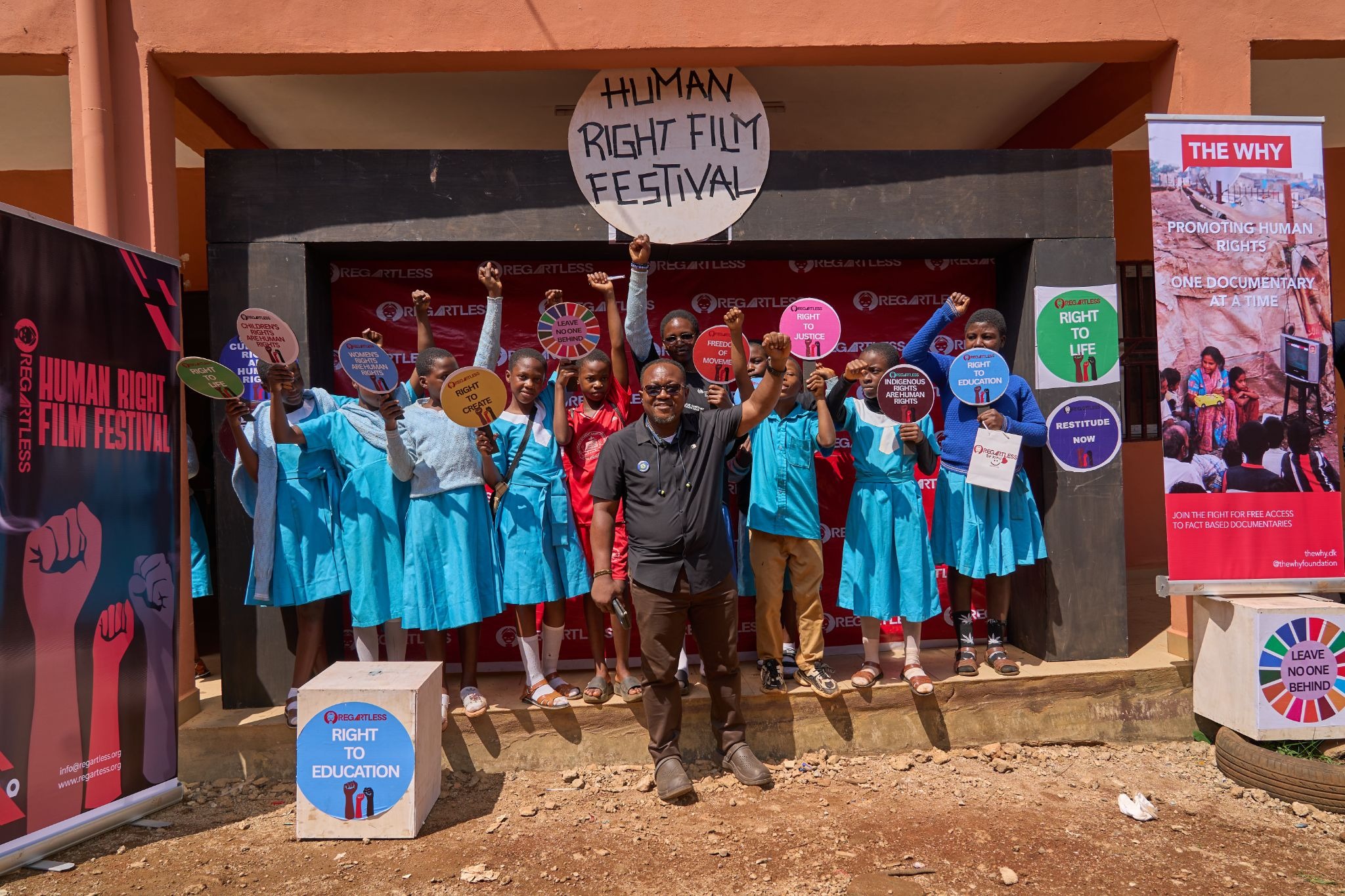
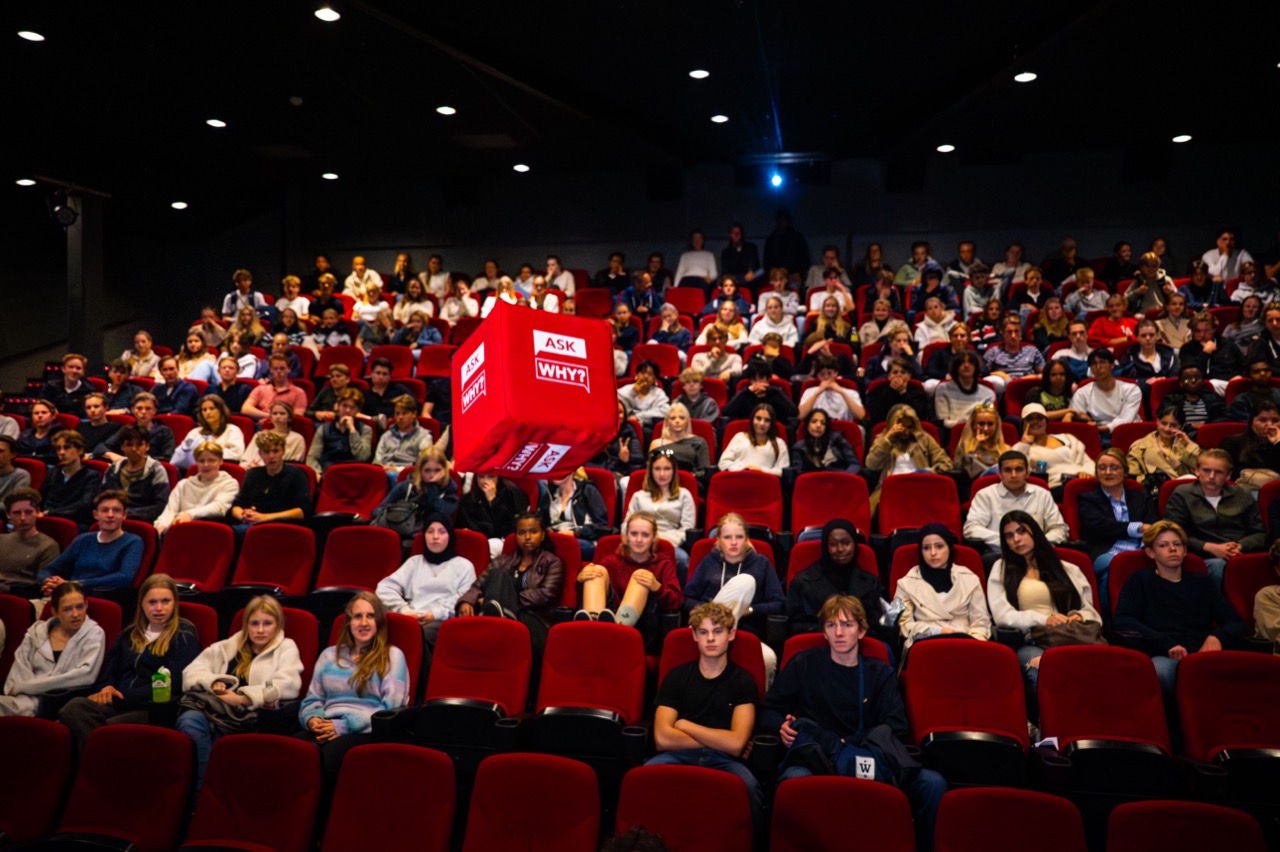
During the month of May, REGARTLESS, in partnership with THE WHY Foundation, the United Nations Human Rights Office of the High Commissioner, and Open Restitution Africa, organised the 2026 edition of the REGARTLESS Human Rights Film Festival in selected secondary schools in Bamenda, Cameroon.
Held under the theme “The Unmorphing of Memory,” the festival used documentary films as a starting point for dialogue, learning and reflection on historical injustice and its continuing impact on the world today.
Across the festival, 556 students from three schools took part in screenings and discussions. Four documentaries were shown, including “Maid in Hell” by Søren Klovborg and “Jailed in America” by Roger Ross Williams, which were both featured in THE WHY Foundation’s WHY SLAVERY? series. The festival also screened “A History of Theft” and “A History of Demand”, which were provided by Open Restitution Africa.
Together, the films opened conversations about slavery, colonial domination, cultural heritage, identity, restitution and contemporary human rights challenges.
Reflecting on the past to understand the present
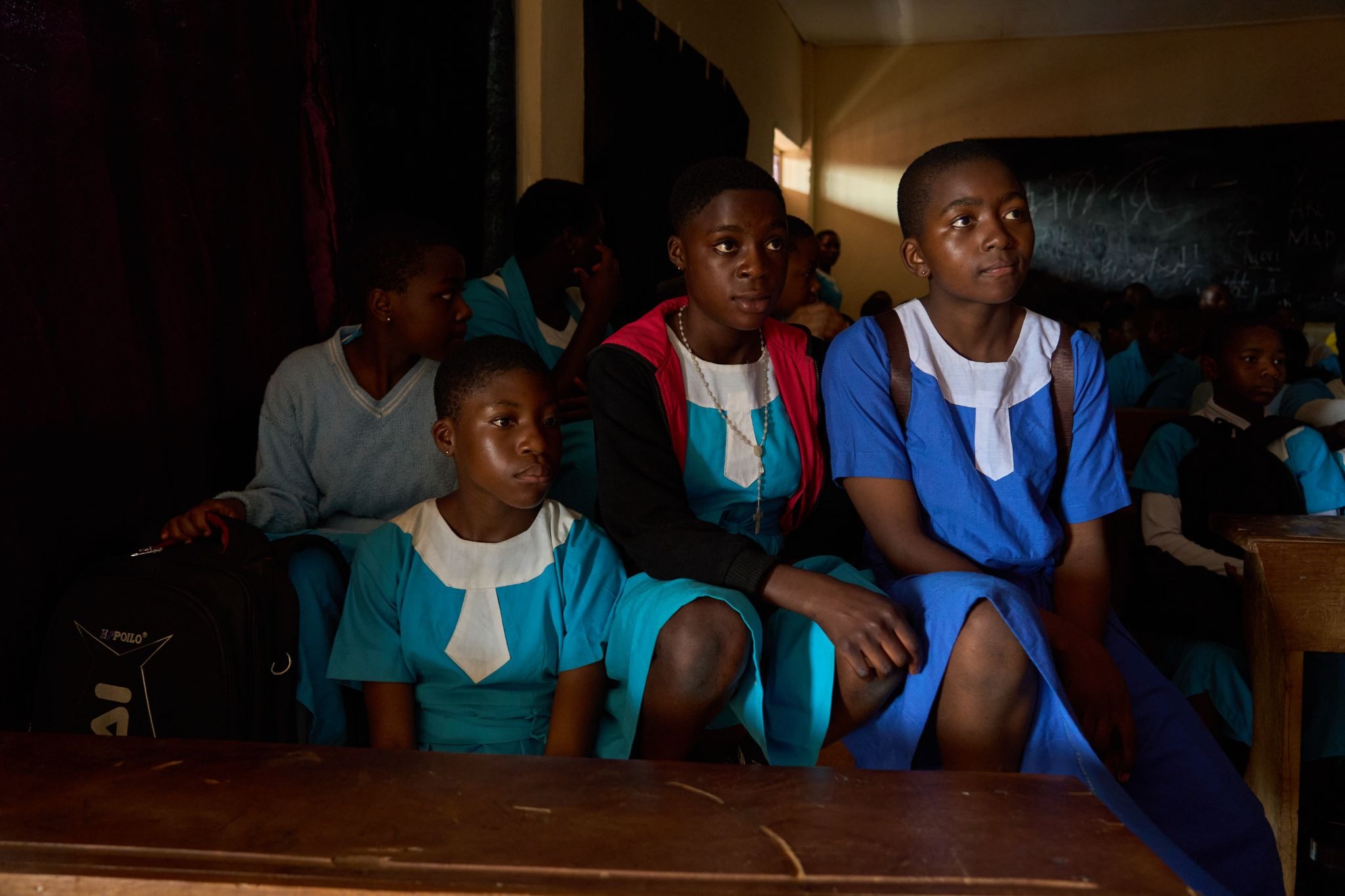
The festival placed young people at the centre of the conversation. Through carefully facilitated discussions, students were invited to reflect on how histories of slavery and colonialism continue to shape current issues of inequality and social justice.
For many participants, the festival created a rare space to engage with histories that are often absent from mainstream education. It also offered an opportunity for young people to be recognised as active voices in shaping how societies remember the past and respond to its ongoing consequences – and to reflect on the human rights they have and those they need to defend.
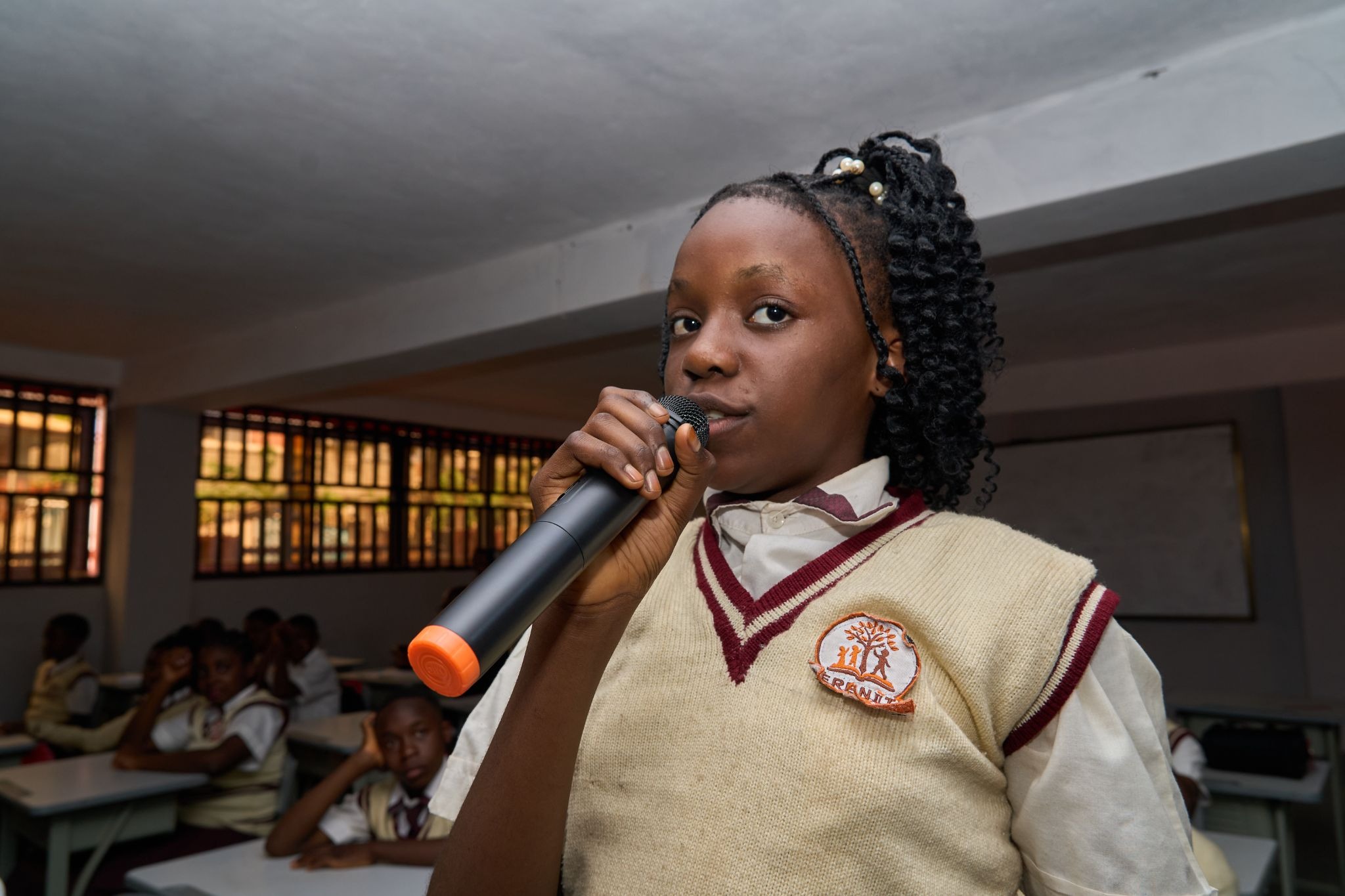
One student at Serenity College told the organisers afterwards: “I am happy they came to educate us on our rights. This can also help us teach others in our community to fight for their rights.”
During a key moment of the festival, Nouhoum Sangare, Regional Director for the Central and West Africa Office of the United Nations High Commissioner for Human Rights, encouraged young people to connect history with present-day realities and to see themselves as part of the work of protecting human rights. “You are not too young to make a difference. In fact, young people are among the strongest voices for human rights and social change,” he said.
On that note, he emphasised that “when we ‘unmorph’ memory, we uncover truths that help us understand both historical injustice and the responsibility we all share in preventing injustice today.”
The Principal of Serenity College described the festival as a privilege for the school, noting that many people are unaware of their rights.
"We live in a world where there are a lot of abuses, and not many people know about their rights," he said.
He added that raising awareness among young people could have a lasting impact:
“Creating awareness amongst young people, who are the future of tomorrow, makes them understand that they should think of how other humans feel and treat people fairly. I know that if they get this message about human rights, it will change the world positively.”
The 2026 edition of the REGARTLESS Human Rights Film Festival demonstrated the power of documentary films to create space for difficult but necessary conversations. In a context marked by fragility and conflict, the festival offered young people a platform to learn, reflect and speak about memory, justice and human dignity.

.jpg)