%20(119%20%C3%97%2038%20mm).webp)
Nationwide school project goes international
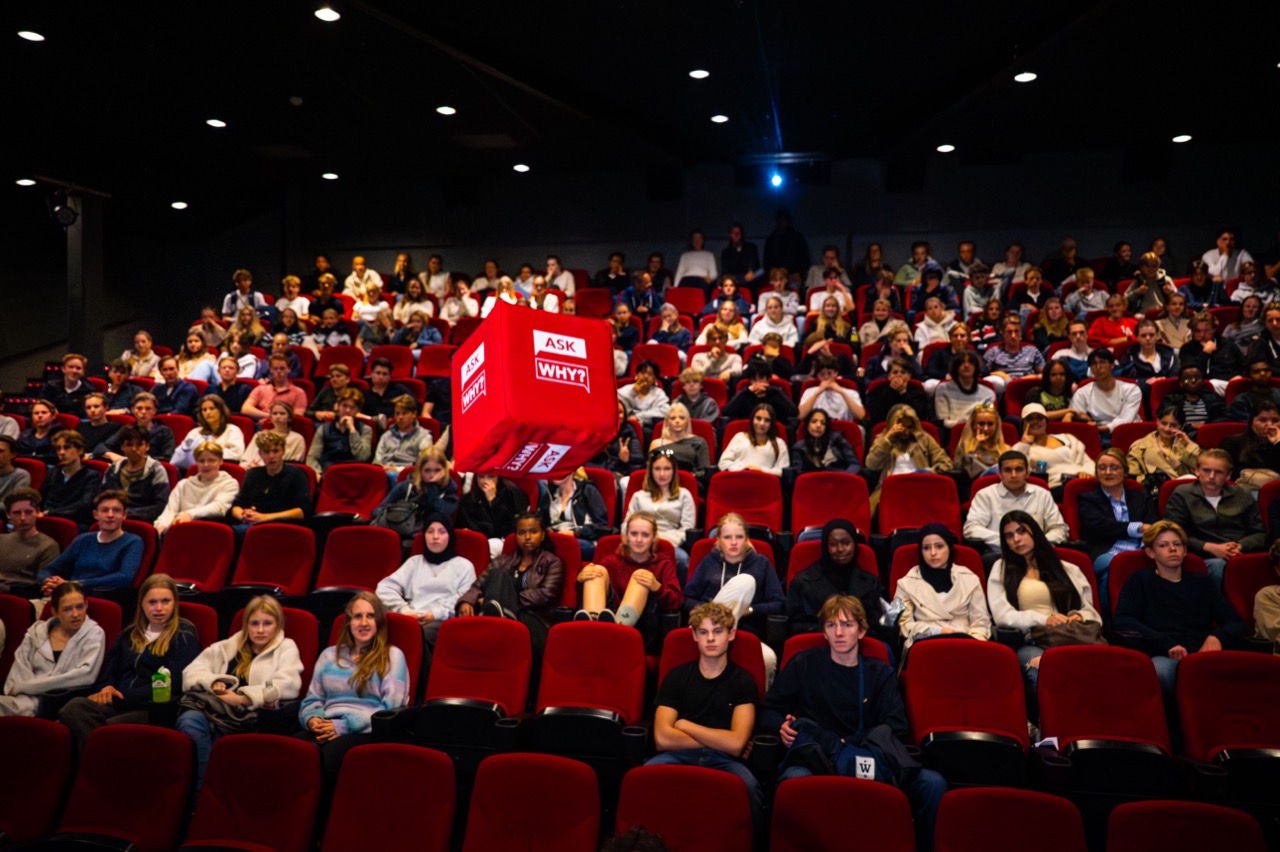

Last week, ASK WHY? Docs went international. After more than ten successful years in Denmark, we expanded to Norway – and who knows, maybe that is just the beginning.
This unique school project, which started back in 2016 in Copenhagen with just a few hundred students attending, has expanded into a nationwide human rights education programme. During the 2025/2026 school year, we visited 22 cities where more than 9,000 students from 150 different schools attended.
We screened powerful documentaries that discussed various human rights issues such as poverty, homelessness, displacement, war, women’s rights, extremism, LGBT+ rights and more. Each screening was accompanied by a carefully selected guest speaker, who not only had deep knowledge of the topics, but had also experienced them firsthand.
But this year, we decided to take ASK WHY? Docs beyond our borders, to give even more students access to fact-based, powerful documentaries about global human rights issues.
Oscar-, BAFTA- and Peabody-award-winning documentary goes to Tønsberg, Norway
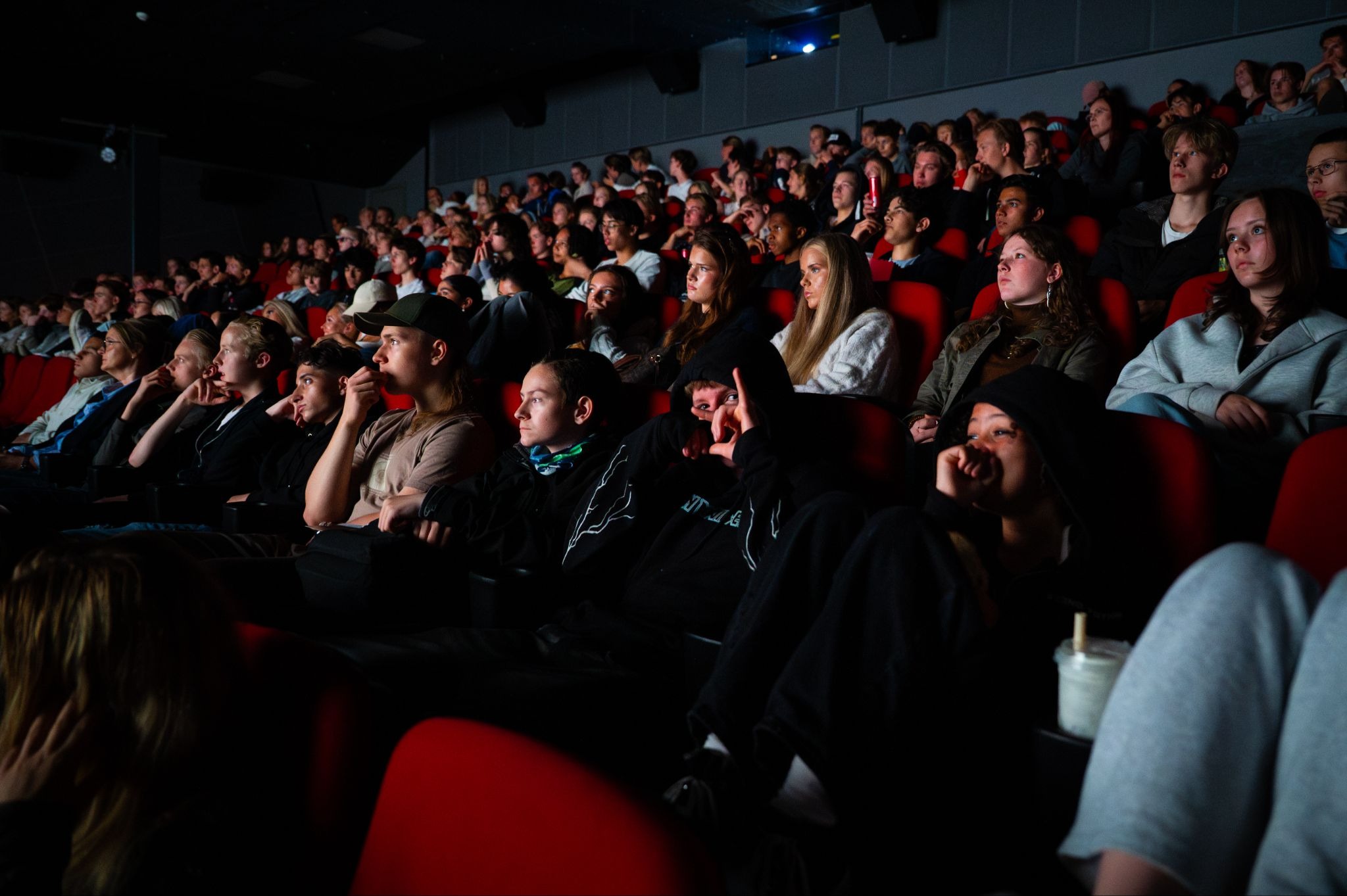
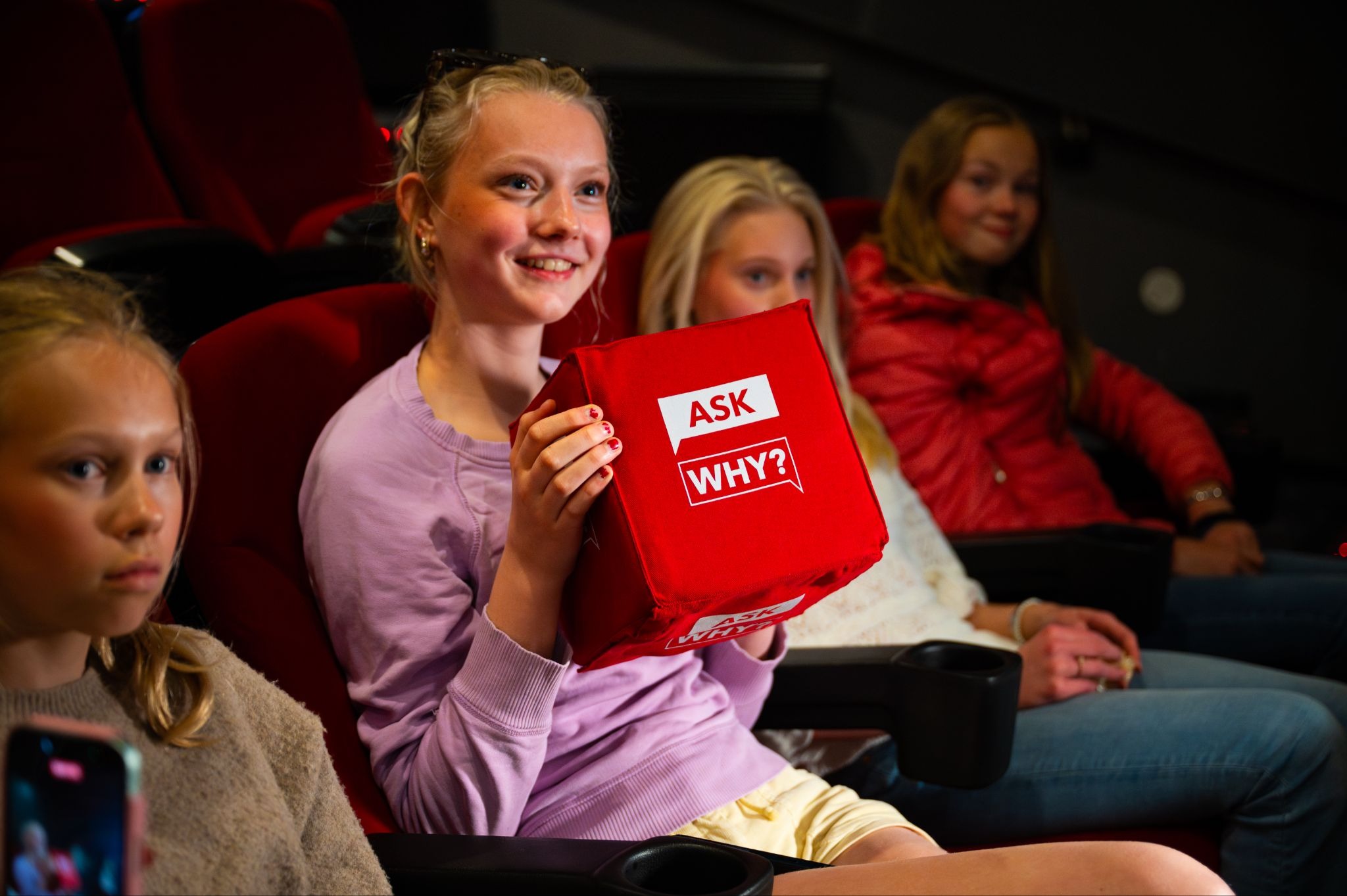
370 students gathered at Tønsberg Filmhus on 5 June to participate in ASK WHY? Docs. They watched the award-winning "Mr. Nobody Against Putin" by David Borenstein and Pavel ‘Pasha’ Talankin – a documentary that gives a unique insight into the militarisation of schools and the spread of propaganda within Russia after the war broke out in Ukraine.
After the screening, the students met Russian-born Katya Kize, who was assistant director on the film and translator for the film’s main character, Pasha. She was able to provide the students with insights and perspectives on propaganda and censorship in Russia, and particularly the effects it has on the education system.
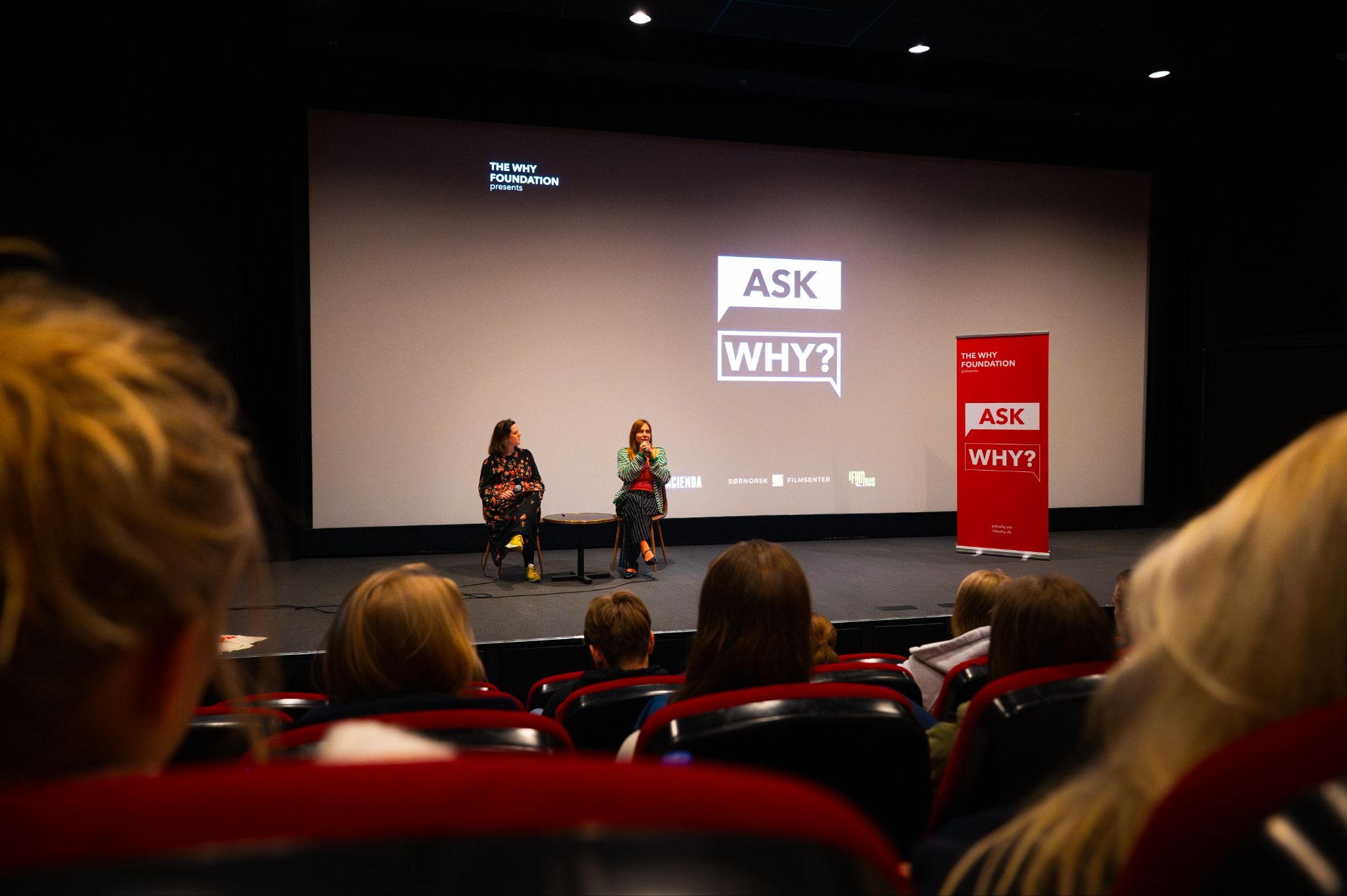
These topics were well received by teachers and students alike. As one teacher pointed out, “freedom of speech and propaganda are topics we work with across several subjects. The film becomes a common reference point that we can keep returning to.”
The discussion of propaganda also raised awareness about the importance of democracy and freedom of speech. One of the teachers, Ingrid Flattorp, noted “I thought the focus on democracy was especially valuable – helping my students understand both how precious democracy is and how vulnerable it can be.”
The students also felt particularly moved by the documentary, as it gives an insight into the lived experiences of young students, like themselves, and the everyday realities they endure in Russia. As one of the students said: “It’s really frightening to see how young people and children my age and younger are being indoctrinated into that system, even before they’ve had the chance to learn how to live their own lives.”
While ASK WHY? Docs has an extensive catalogue of incredible documentaries, this particular film made a great first impression on students and teachers alike. Not only does it educate about issues such as propaganda, censorship and the militarisation of schoolchildren, it also opens the door to important questions about democracy and freedom of speech – topics that seem more important than ever.
“It’s not about making people think one particular thing. It’s about encouraging people to discuss and reflect. That’s what ASK WHY is really about.” – Roman, student
A different experience
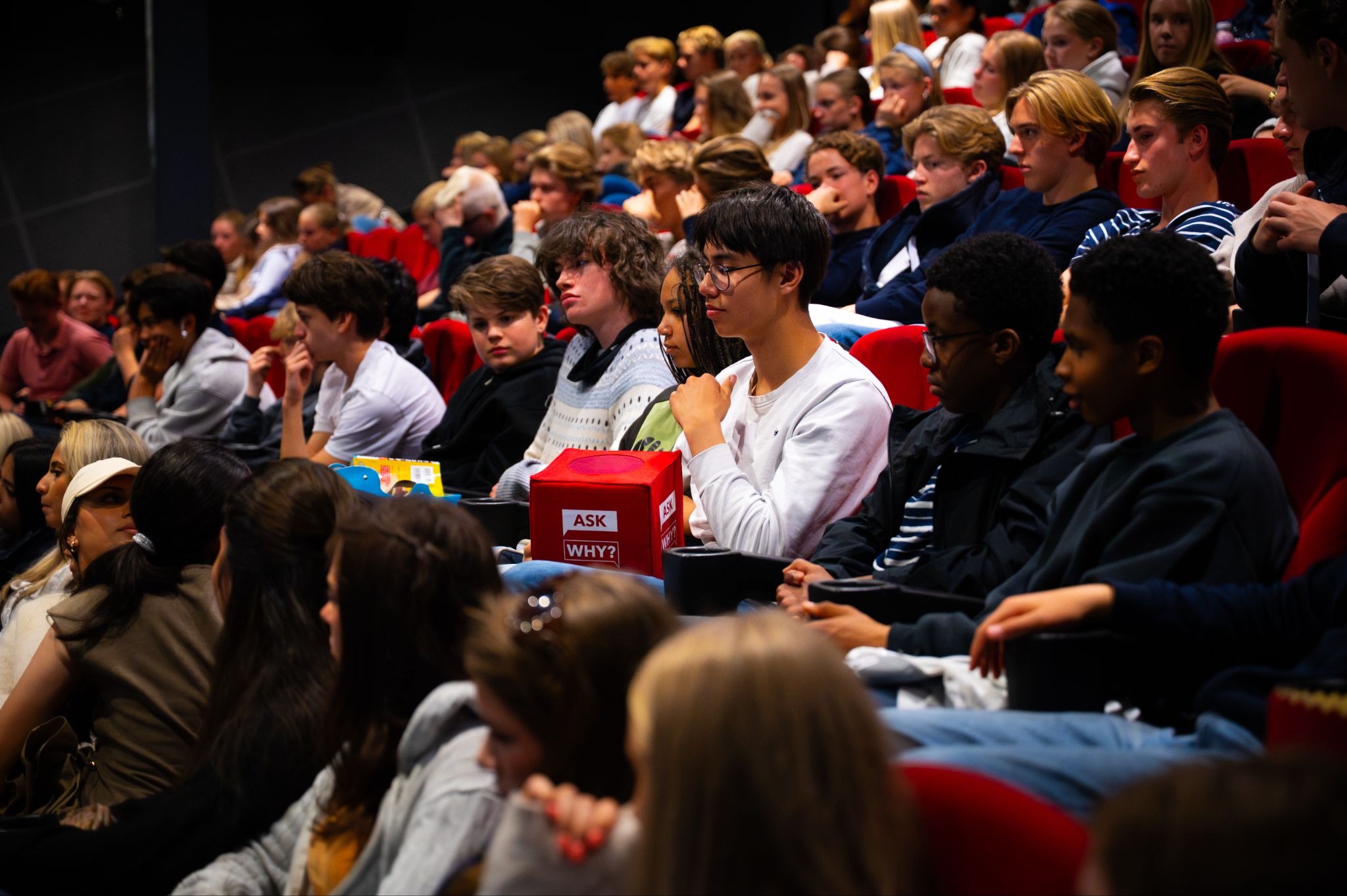
ASK WHY? Docs is more than a cinematic experience. It is an educational programme that seeks to put human rights issues on the agenda. Not only do students watch fact-based documentaries, they also receive educational material they can apply in the classroom, and they meet a person who has experienced the human rights issue firsthand and therefore has deep, personal knowledge of the topic.
“It’s not just about sitting here and watching a film. It’s a whole programme. We talked about these issues beforehand, and we’ll talk about them again afterwards. So it becomes a complete learning experience where you actually learn a lot.” – Sofie, student
For the teachers, this experience was also more than just a part of their regular teaching. It was also a space for personal development.
“It reinforces what we are already doing in the classroom. And it gives us the opportunity to experience something together. I believe everyone develops when they get to take part in something like this. It contributes to their personal growth and maturity.” – Mone, teacher
The experience with ASK WHY? Docs made a great impression on students, teachers and our partners in Norway. We are immensely grateful for their participation and proud to witness our school project going international.
And who knows, maybe this is only the beginning of what the future holds for ASK WHY? Docs.

.jpg)