%20(119%20%C3%97%2038%20mm).webp)
The New ASK WHY? Docs Impact Report Reveals a Record-Breaking Year
.jpg)

THE WHY Foundation’s latest Impact Report 2025/2026 shows a year of continued growth for the Danish nationwide education project, ASK WHY? Docs, which uses documentary films, teaching materials, guest speakers and dialogue to help students engage with human rights, democracy and global challenges.
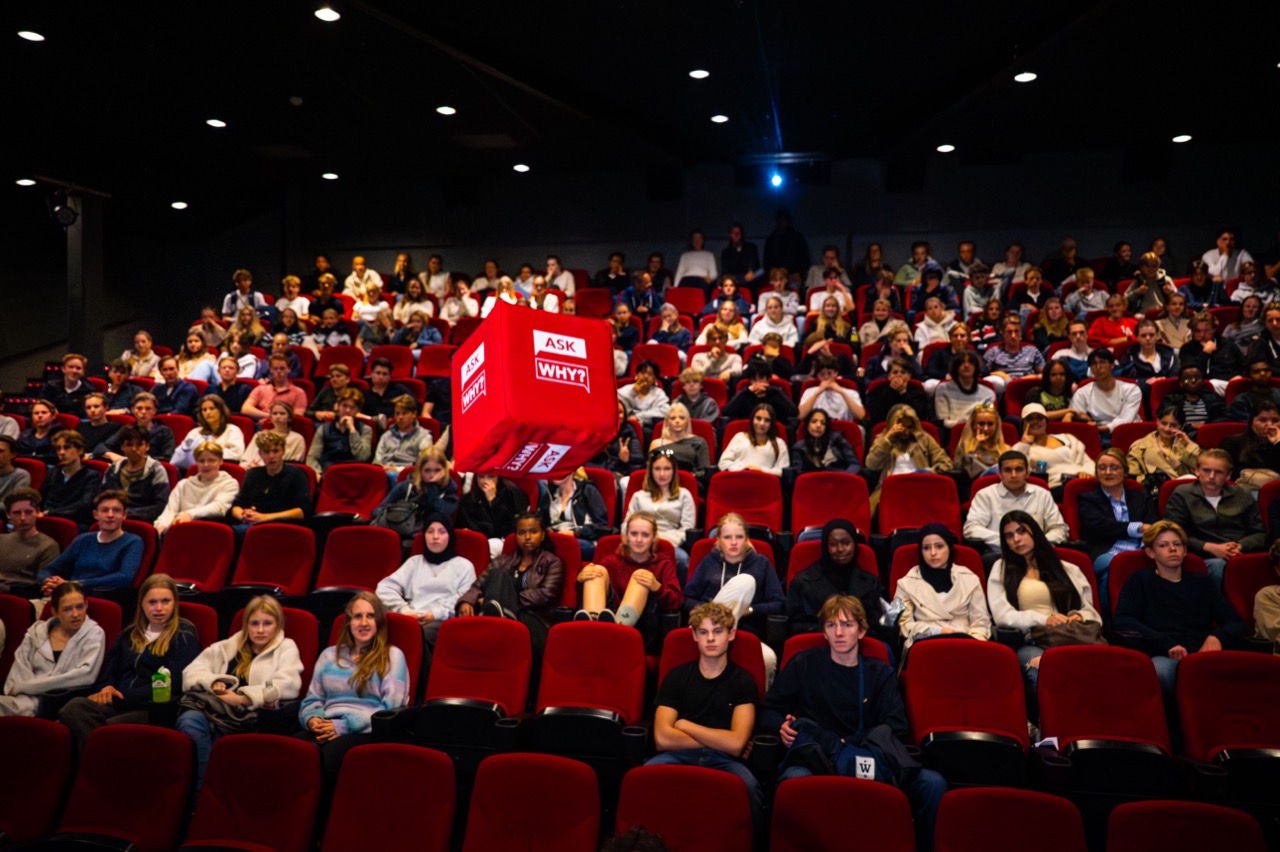
This year, ASK WHY? Docs reached 9,000 registered participants, 150 schools and 38 municipalities, with more than 27,000 cinema seats filled across the country.
The number of ASK WHY? Docs participants has grown 500% since 2020/2021, making 2025/2026 its strongest year to date.
The report shows not only growth, but also clear educational and social impact. Through ASK WHY? Docs, students engaged with stories about democracy, propaganda, freedom of expression, displacement, homelessness, poverty, LGBTQ+ rights, women’s rights, children affected by war and the challenges of living in a digital world.
Based on 1,546 student responses and 66 teacher responses, 86.8% of students said they learned something new about human rights and global challenges, while 78.8% said they became more interested in learning about what is happening in the world.
92.3% said they were very happy with the overall ASK WHY? Docs experience.
Cinemas as spaces for learning
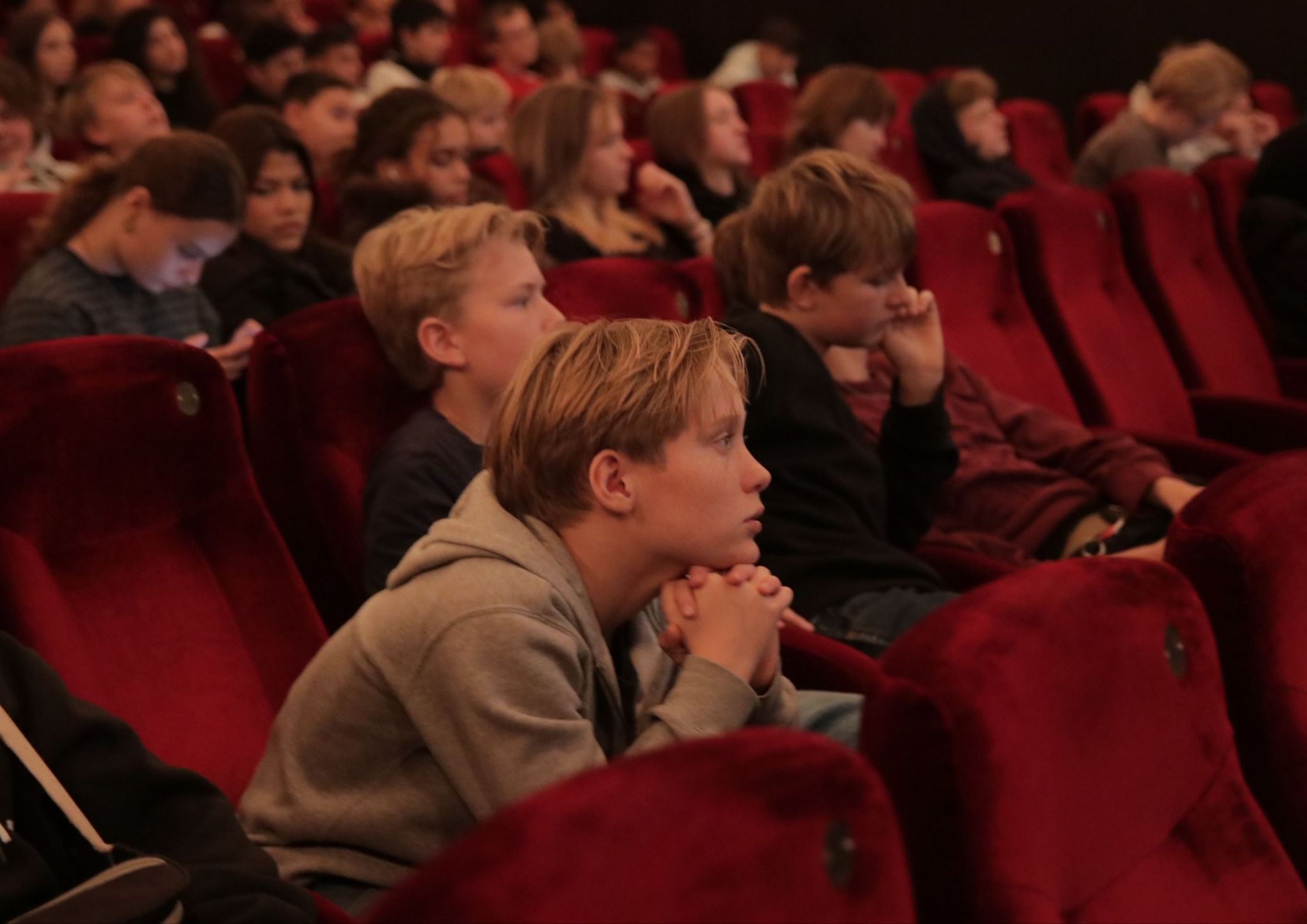
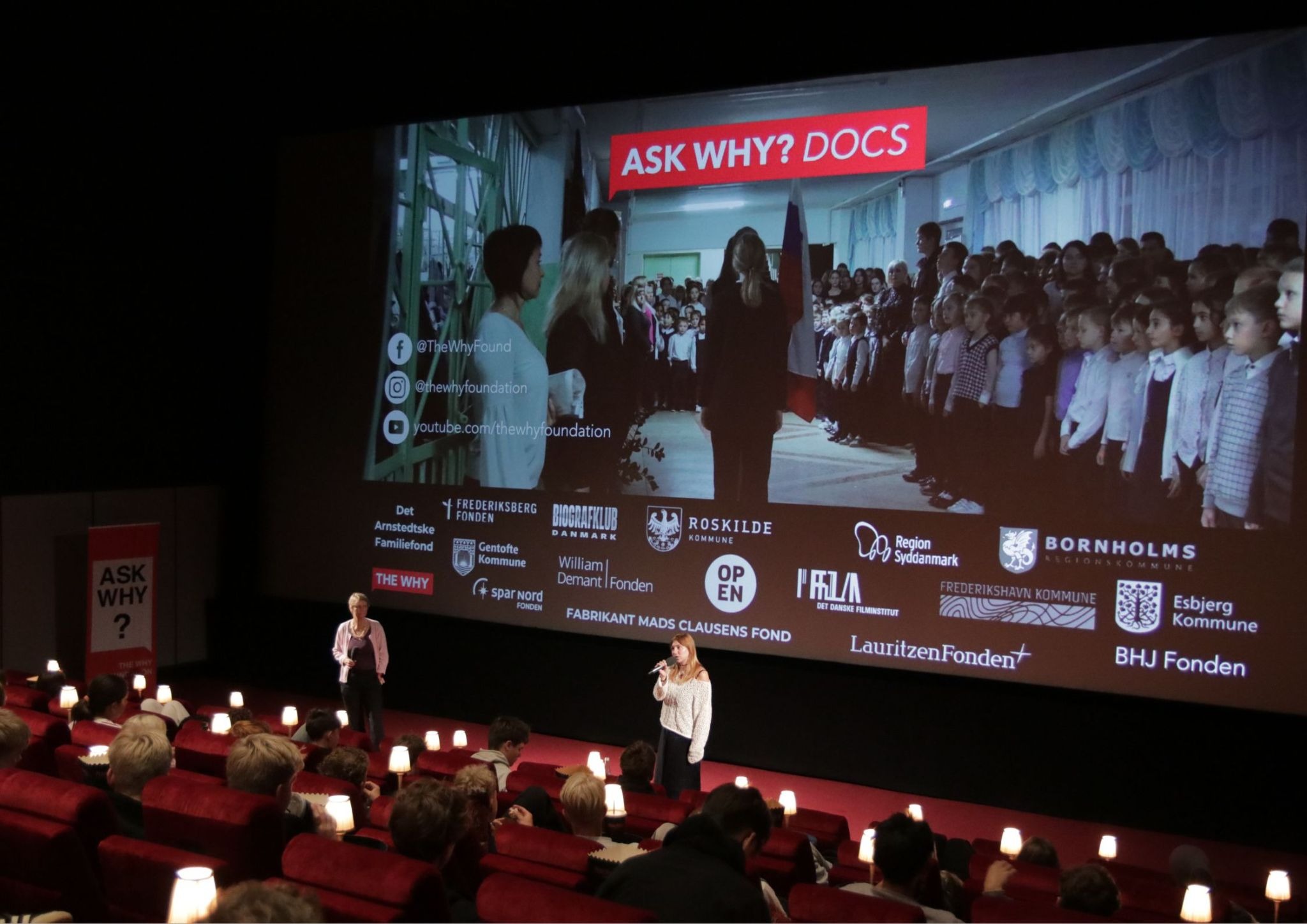
A defining part of ASK WHY? Docs is that students do not simply watch the documentaries in their own classrooms - they enter their local cinemas and cultural institutions, and immerse themselves in the stories.
According to the report, this season, the project collaborated with 22 local cultural institutions across Denmark.
Among teachers, 100% reported a positive overall experience with ASK WHY? Docs and its unique approach to engaging Danish youth with human rights and global issues.
95.8% of students said it was important for their experience that the project took place in a local cinema - a space they associated with calm, focus and time away from their mobile phones. It also creates attention, shared focus and a sense that the stories matter.
“I feel that I concentrate better in the cinema than if we had just watched the documentary in the classroom, where there is often much more noise.” - student from Fourfeldtskolen Bohr in Copenhagen.
Stories that open conversations and shift perspectives
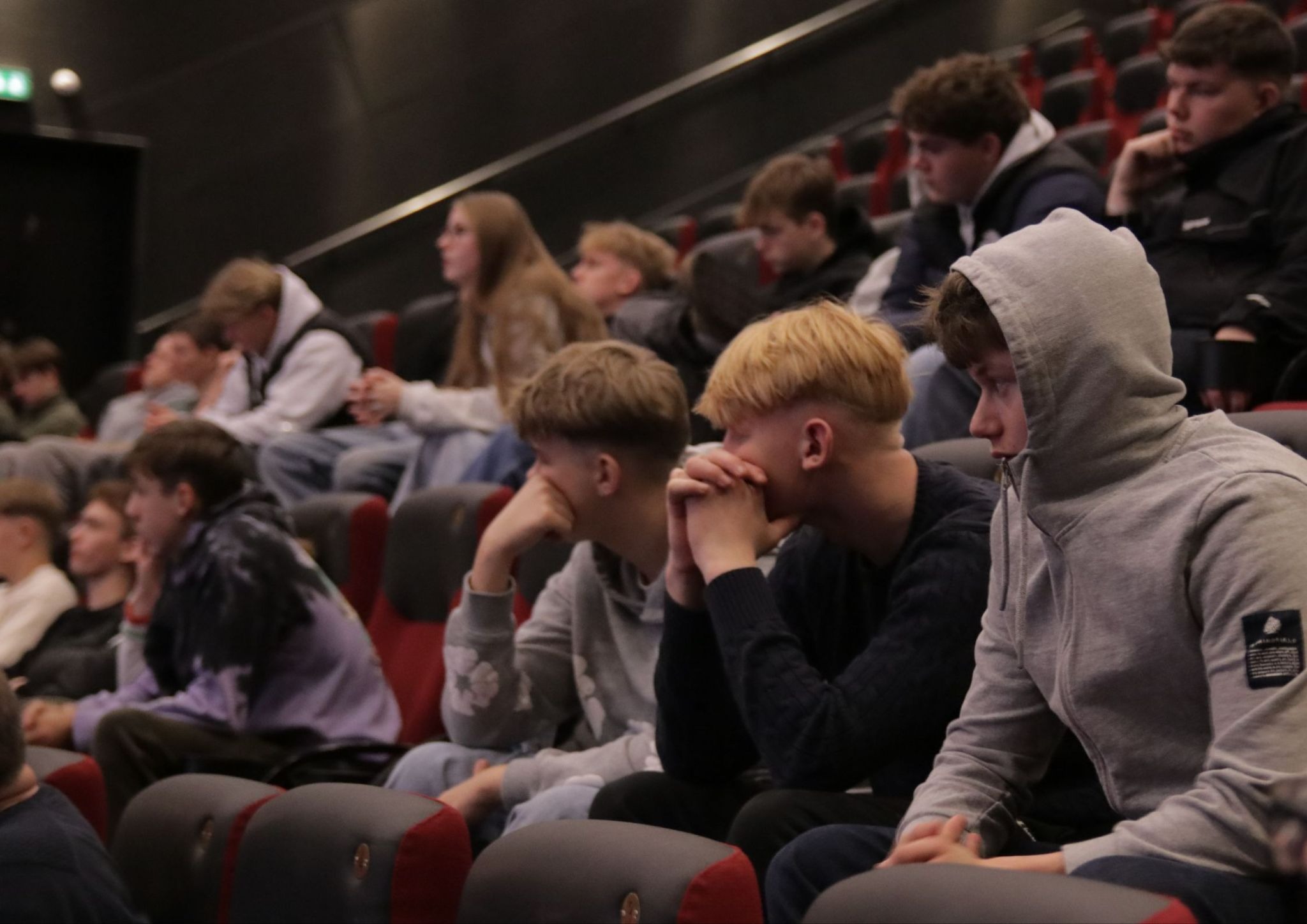
ASK WHY? Docs is built on a simple idea: bringing students face-to-face with personal stories and lived experiences deepens their understanding of complex global issues.
The films are screened in cinemas and followed by educational activities and conversations with people who are not only connected to the themes – they have lived them. This gives students the opportunity to reflect on their own rights, responsibilities and relationship to the world around them.
“After the film, we talked a lot about how important it is not to judge each other too quickly. Instead, we need to be more open and ready to support those who are struggling.” - student from Tingløkkeskolen in Odense.
This year’s evaluation shows that the project helped create space for reflection, care and inclusion in the classroom. 76.7% of students said the project motivated them to help others who needed it, for example by listening, being more inclusive or supporting others in the community. 92.6% of teachers said the project gave students a better understanding of the importance of including one another and respecting each other’s backgrounds.
Another central theme in this year’s report is critical thinking.
One of this season’s new films, Mr. Nobody Against Putin, became an important part of that conversation. The Oscar-, BAFTA- and Peabody Award-winning documentary follows life inside a Russian school and explores propaganda, censorship, state control and the individual’s place within the system.
After the screening, the students met Katya Kize, the film’s assistant director, who engaged in a conversation with the students about the different themes of propaganda, misinformation and censorship. She left the students with one important message:
“The most important thing you can learn is to think for yourselves. Do not just take things for granted. Democracy is not a given – it must be protected and kept alive by you. You are Denmark’s future.”
Following a sharp focus on critical thinking and issues of misinformation, the report shows that 73.3% of students felt that the project made them more critical of the news they see on social media, while 86.6% of teachers said it strengthened students’ critical approach to sources.
A growing national platform
The 2025/2026 Impact Report highlights important partnership developments for ASK WHY? Docs. Both Esbjerg Municipality and Frederikshavn Municipality have entered into three-year partnerships with the project, supporting our continued work to strengthen young people's well-being, democratic engagement, global awareness and understanding of the UN Sustainable Development Goals.
This year, the project also received extensive media coverage, with local and regional outlets reporting on screenings and student conversations across Denmark.
At its core, ASK WHY? Docs is about creating space for young people to ask questions, listen to others, understand their rights and take part in the world with greater awareness.
The 2025/2026 Impact Report shows that when documentary films are brought into education with care, dialogue and purpose, it can help students see the world differently - and understand their own role within it.
Read the full report here.