%20(119%20%C3%97%2038%20mm).webp)
Stories that stayed with us: Our picks from CPH:DOX 2026
.jpg)

CPH:DOX 2026 went by in a flash, and what a couple of weeks we’ve had. Everyone in the office rushed off to the cinemas to watch a wide variety of films, ranging from the Korubo people of the Amazon to young Taliban fighters in Kabul and beyond. We attended social gatherings and several talks on the future of documentary filmmaking in a time of misinformation and AI. Our CEO, Mette Hoffmann Meyer, spent several days attending international delegations and conducting meetings with filmmakers from across the globe.
Each of us at THE WHY has a different taste when it comes to documentaries, but we all enjoy films that reflect personal stories - stories that go deep and close to the people behind the headlines. I spoke with colleagues around the office, and everyone has a favourite film from CPH:DOX 2026. So let’s take a look at what some of us watched over the past couple of weeks.
Janine recommends: Amazomania
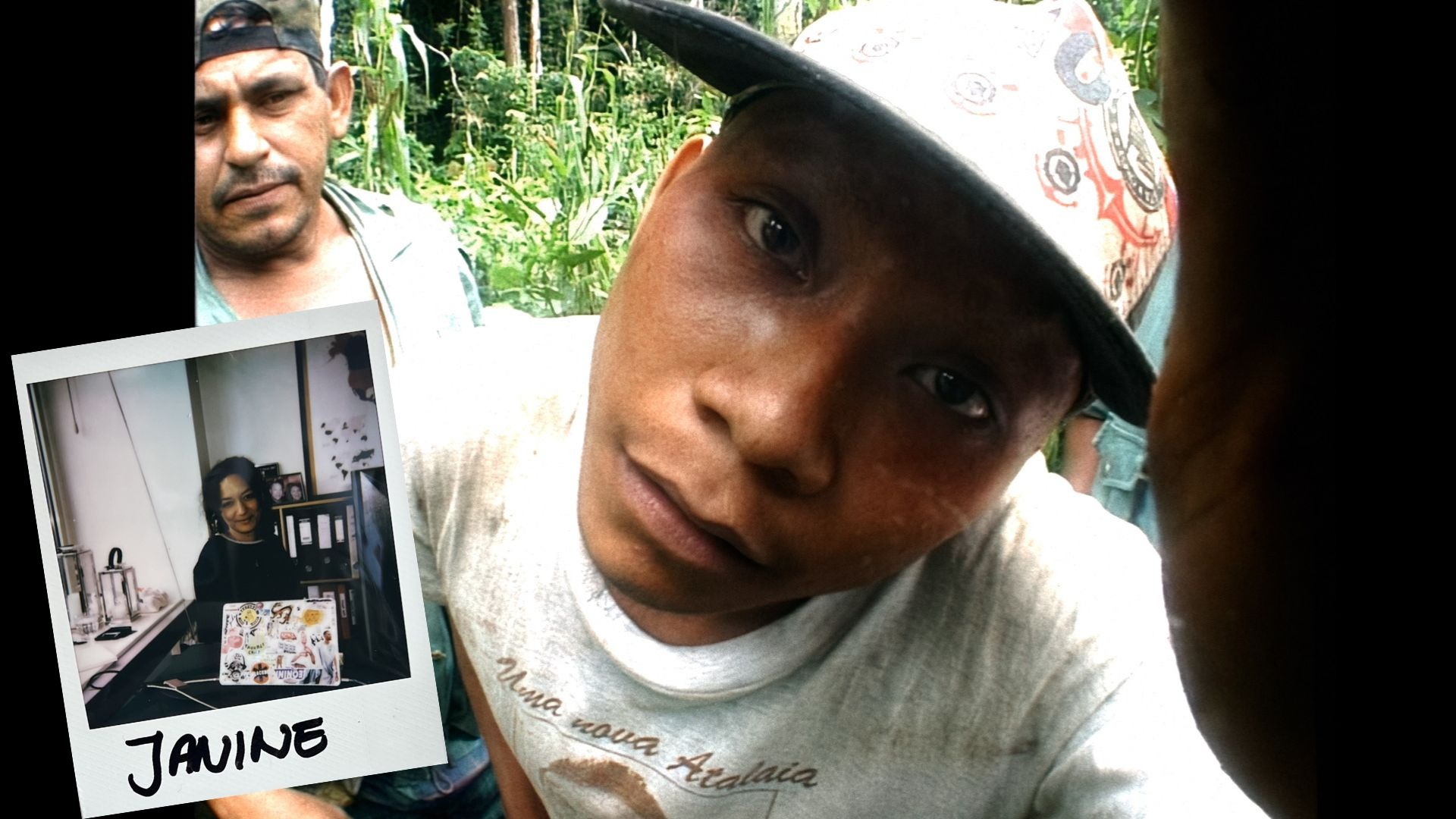
Amazomania is a witty and brutal confrontation with exoticism, cultural fetishisation and the harsh reckoning of romantic hypocrisy. At a time when many of us are increasingly dependent on a capitalist society, some still cling to the fantasy of staying true to their ancestral roots.
In the 1990s, an indigenous tribe in the Amazon thrived doing just that: self-sufficient, free and refusing the outside world. Swedish journalist Erling Söderström sets out to capture this longing through his encounters with the Korubo people. Drawing on footage from the 1990s, the film revisits what was once framed as an adventurous first contact. But as the years pass, Söderström is forced to confront his own motivations. What initially appeared as discovery begins to reveal traces of a culturally colonial gaze. He is eager to step into the world of the Korubo, yet his fascination is unsettled when they choose to step into his. What follows is an unexpected shift, as the film moves from exploration to confrontation, landing in the middle of a heated debate about intellectual and image rights, ultimately challenging Söderström’s altruistic narrative.
Martin recommends: Mountain of Gold
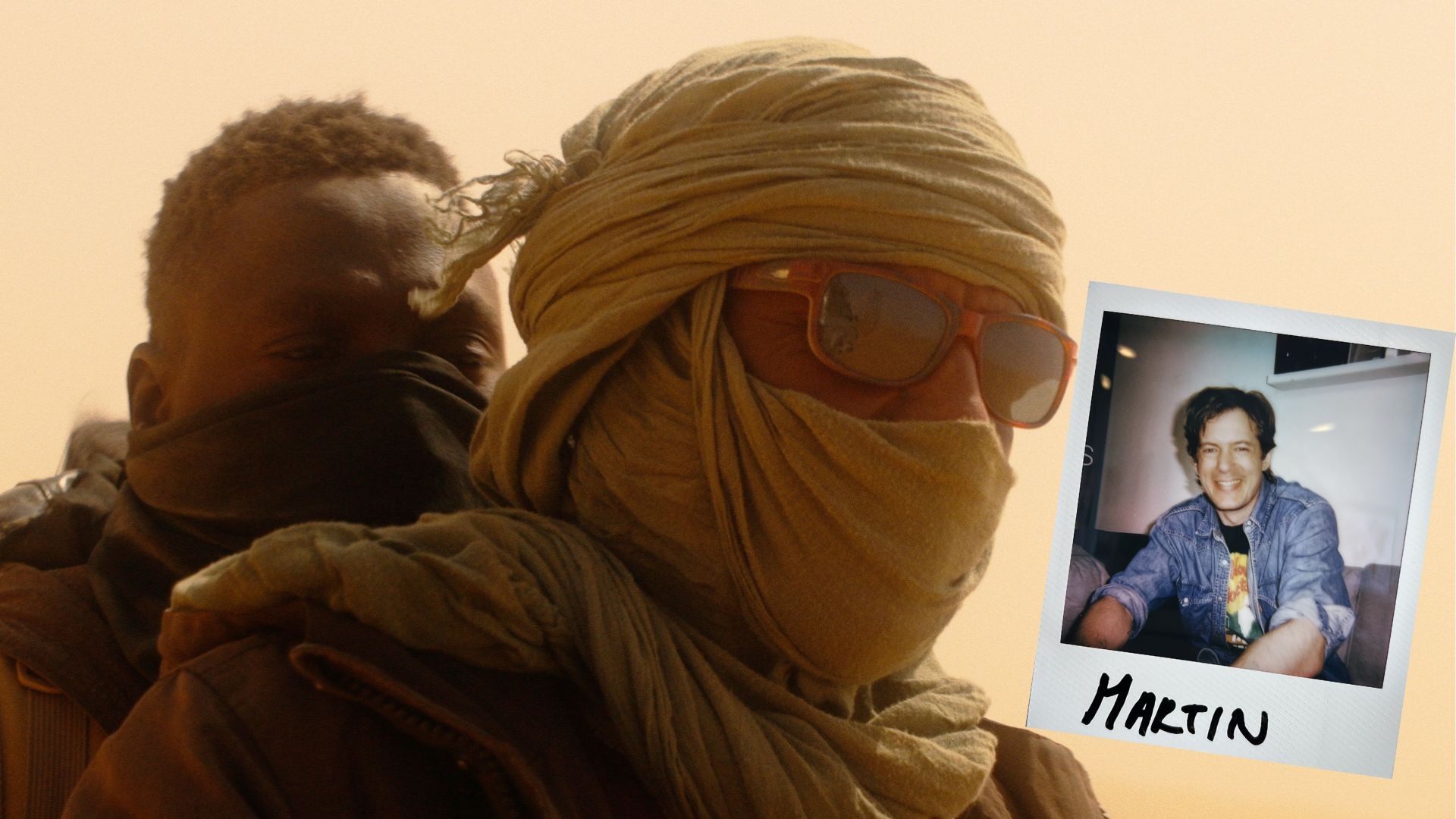
A fantastically well-made documentary that brings you right into the harsh, dusty world of gold miners in Niger. As one of the poorest countries in the world, many young men risk everything to provide for their families. For long stretches of time, they live in tents in the rocky regions of the Sahara Desert, searching for gold while hoping not to run out of water. Armed with sticks of dynamite, they crawl underground, attempting to expose the veins of gold hidden in the mountains. It’s gruelling work, and not everyone makes it out alive.
Cecilie recommends: Kabul between prayers
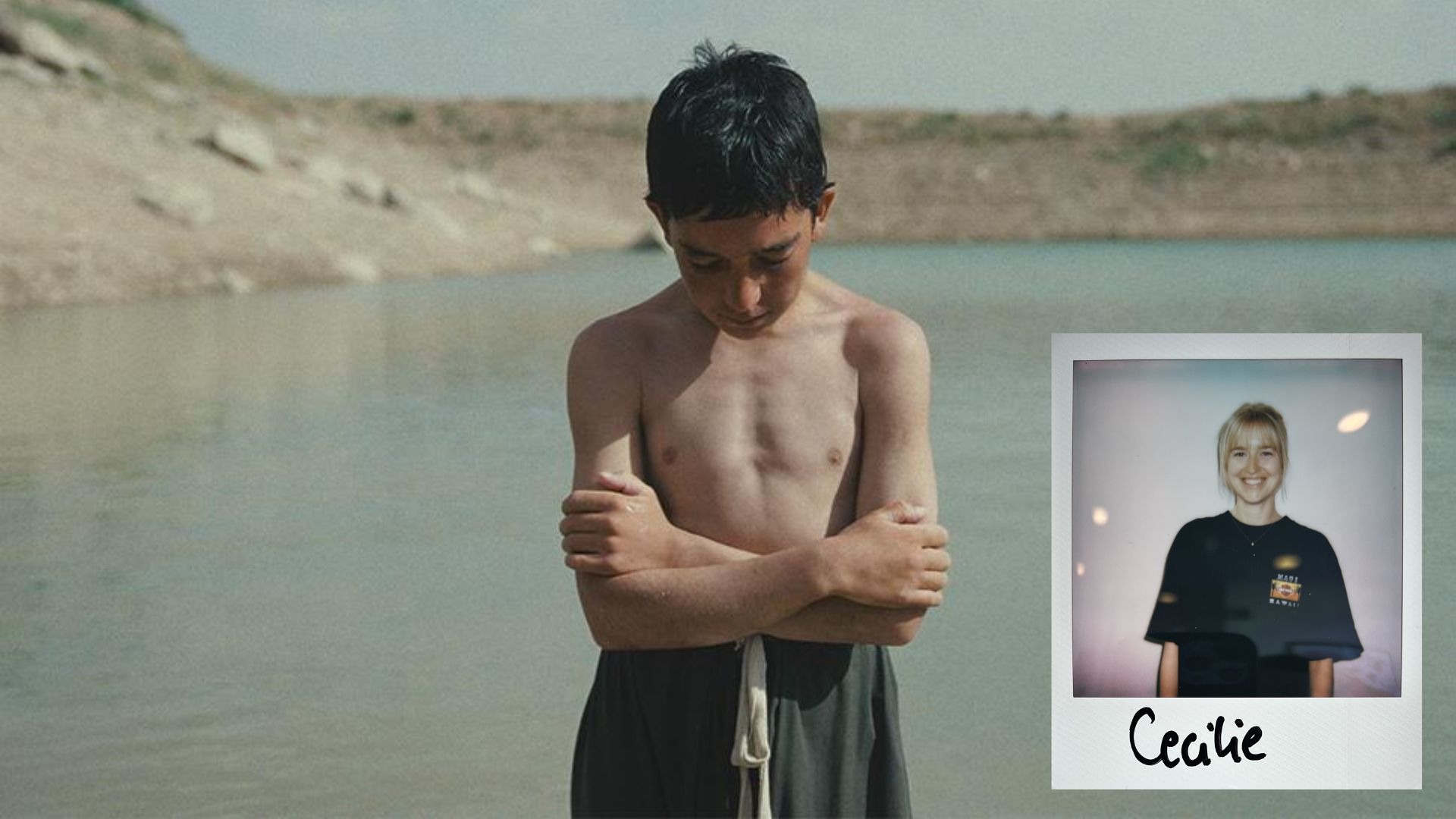
Kabul Between Prayers is a visually striking and carefully observed film that explores the complexity behind a seemingly archetypal figure. Director Aboozar Amini initially presents an image of the young Taliban fighter Samim, but gradually shifts focus to reveal the person behind the ideology.
While Samim expresses strong religious and political convictions, he is also portrayed as insecure, caring and deeply shaped by his surroundings. The film pays particular attention to his relationship with his younger brother, where themes of innocence, love and early indoctrination intersect. Through this dynamic, Amini highlights how ideology is passed on to younger generations.
With its cinematic imagery and humanistic approach, the film offers a deeply personal portrait of life in a war-affected Kabul.
Mathilde recommends: A song without home
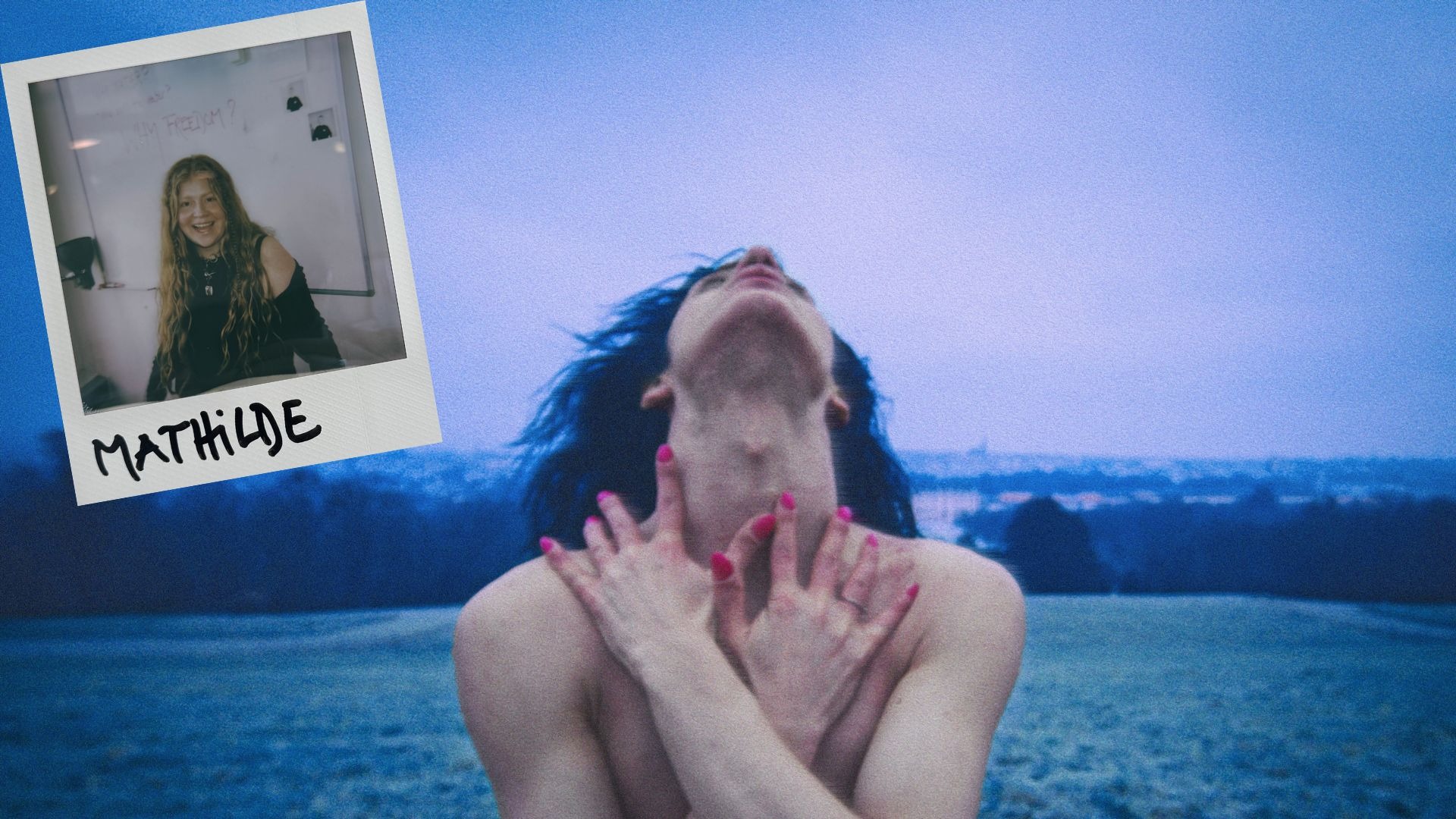
A Song Without Home is a captivating and moving documentary that deals with identity in a world where it is not always possible to be who you are. We follow Adelina, who, after being locked up by her parents for more than a decade, tries to build the life she has always wanted. She leaves behind Georgia, where LGBT+ rights are severely restricted, and seeks exile in Vienna, where she pursues her dream of becoming a dancer. But how does one live freely when one has never known freedom? It is a heart-touching tale about dreams, identity and the pursuit of freedom.
Kathrine recommends: Knife: The attempted murder of Salman Rushdie
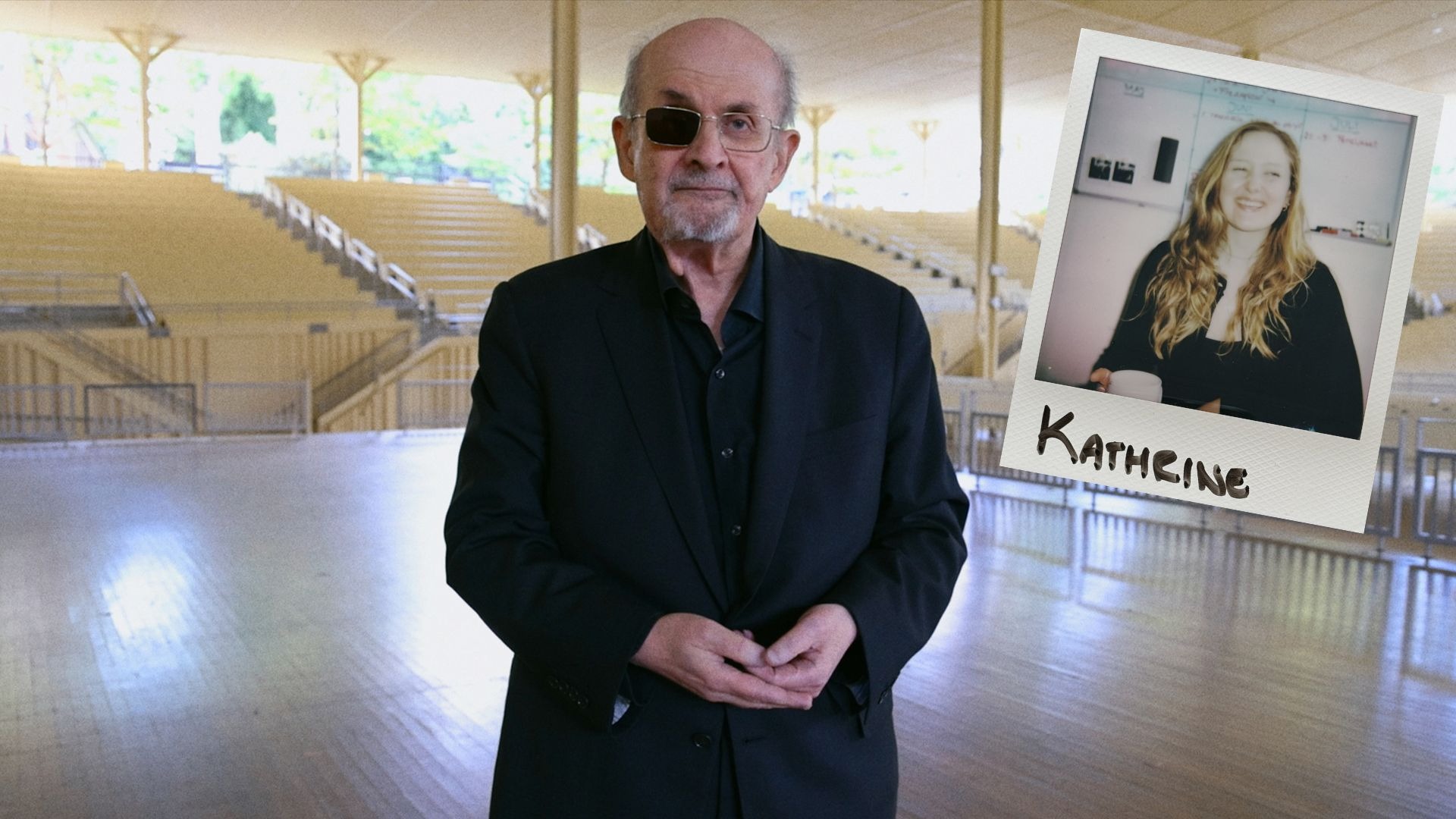
“This is a story of freedom. Freedom to speak your truth.” That’s how the story begins, focusing on the world-renowned author Salman Rushdie, who was subjected to 15 stab wounds in under 27 seconds. This assassination attempt is the starting point of the documentary Knife: The Attempted Murder of Salman Rushdie, directed by Alex Gibney, which delves into Rushdie’s lifelong quest to express himself freely. A struggle consistently challenged since the publication of The Satanic Verses, which forced him to live under constant threat.
It’s a film that explores how freedom of speech is a right we all strive for and hold dear, yet one that comes with limitations. It poses the question: are we ever truly free to speak? But Rushdie leaves the audience with a clear message: “I achieved freedom by living like a free man.”
Andrea recommends: Christiania
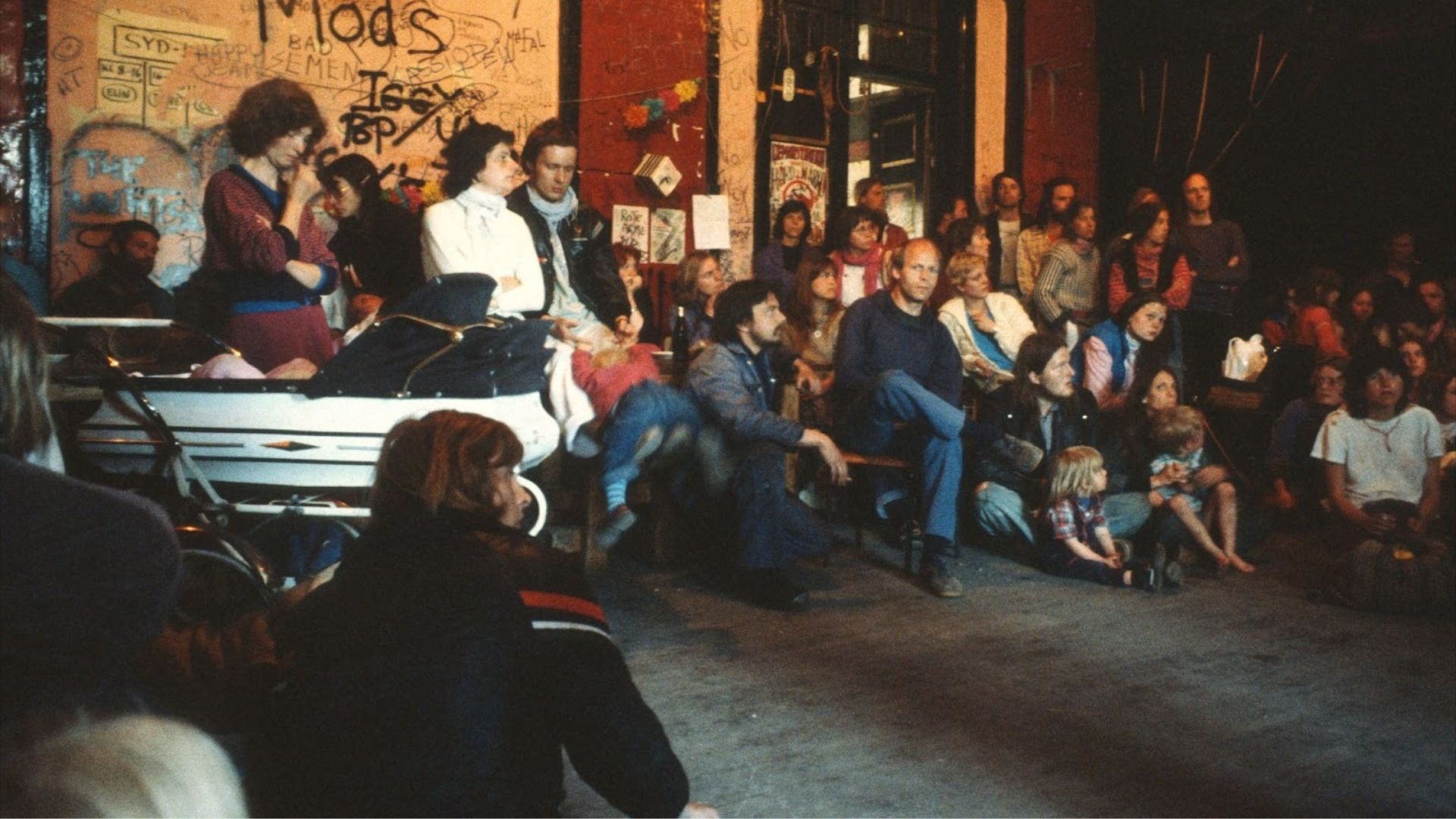
A self-declared freetown founded in Copenhagen in 1971, Christiania was born from the occupation of abandoned military barracks and sustained by dreams of radical democracy, community and creative freedom. Karl Friis Forchhammer’s film Christiania tells that story from the inside, with affection, humour and an eye for the contradictions that come with trying to live outside the mainstream. Without reducing freedom to a romantic ideal, the film balances collective imagination and alternative ways of living with the pressures that test those ideals, and the constant question of where a free community must draw its limits. Christiania is not just a portrait of an iconic place, but of freedom as something fragile, negotiated and always unfinished.
Sophie recommends: Qajaq Man
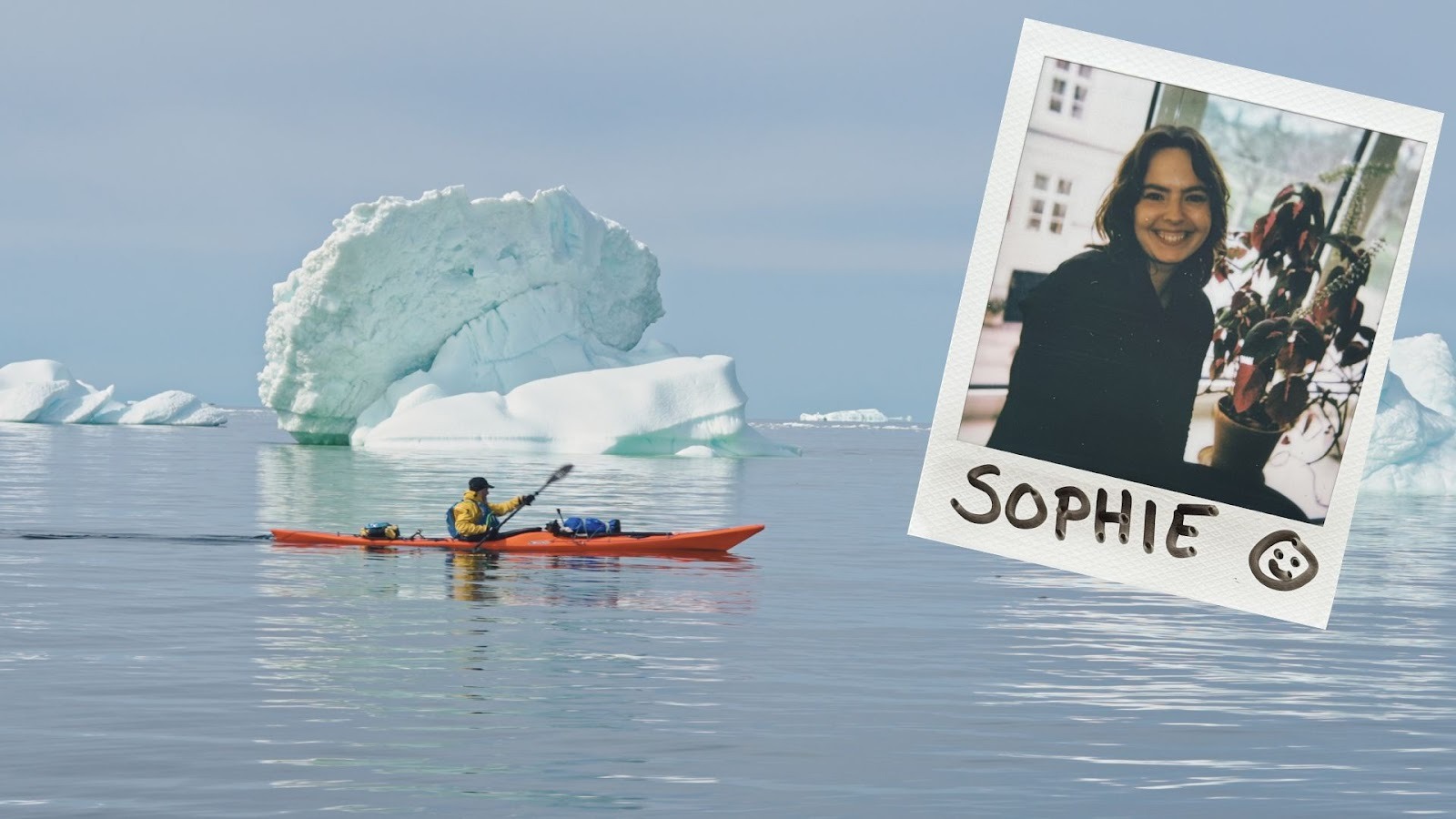
Qajaq Man is a beautifully shot documentary about Mike Keen’s kayaking expedition along Greenland’s west coast – a 3,000-kilometre journey during which he eats only local, traditional Greenlandic food. In a world where we are divided by debates about protein intake and where scientists emphasise the importance of gut flora and microbiomes, the documentary feels strikingly relevant. Throughout the film, we follow not only the physical journey, but also a deeper exploration of culture, lifestyle and connection to nature.