%20(119%20%C3%97%2038%20mm).webp)
THE WHY and Frececo Foundation reshape Copenhagen’s public space with a tribute to Bodil Begtrup
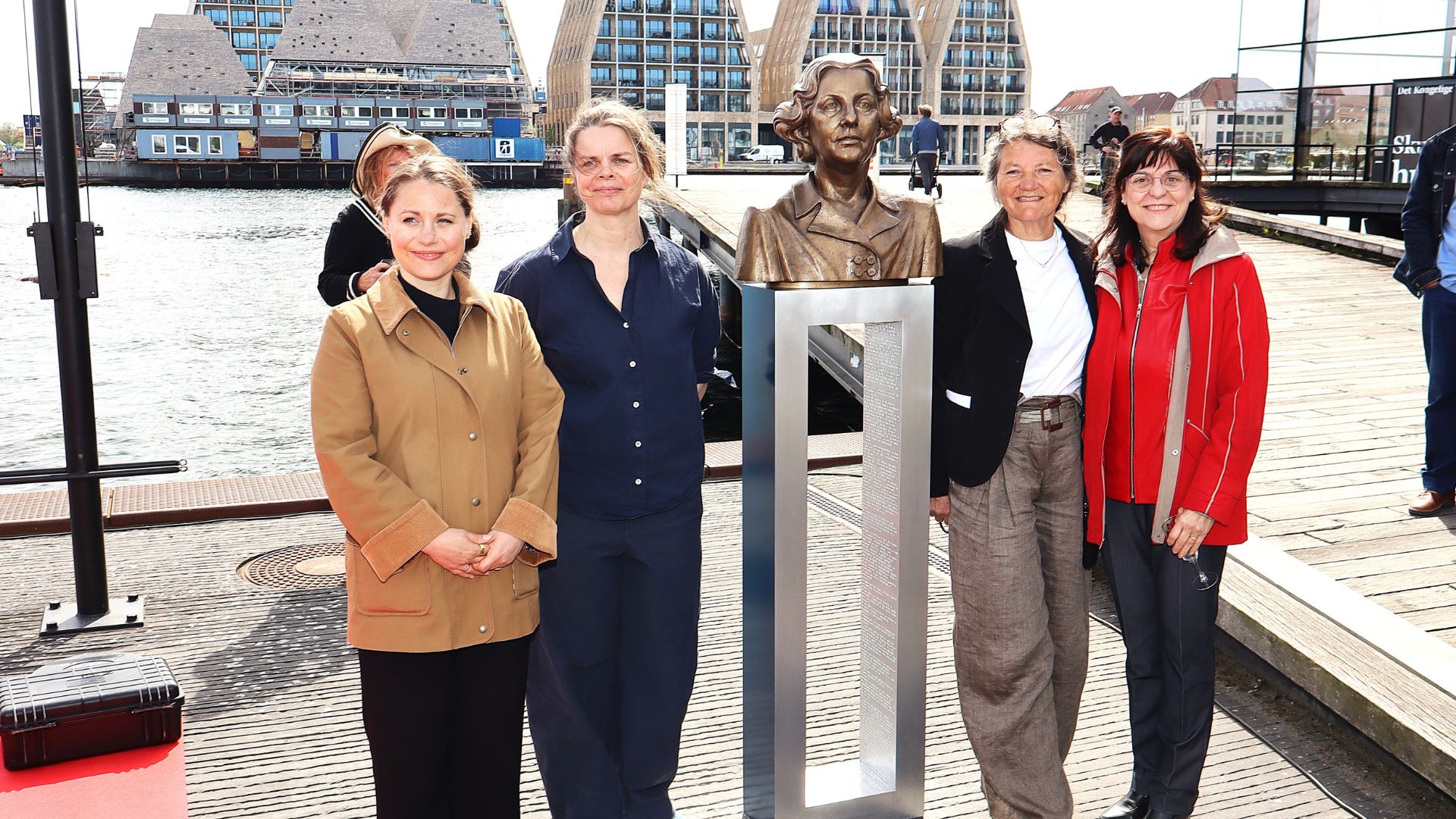

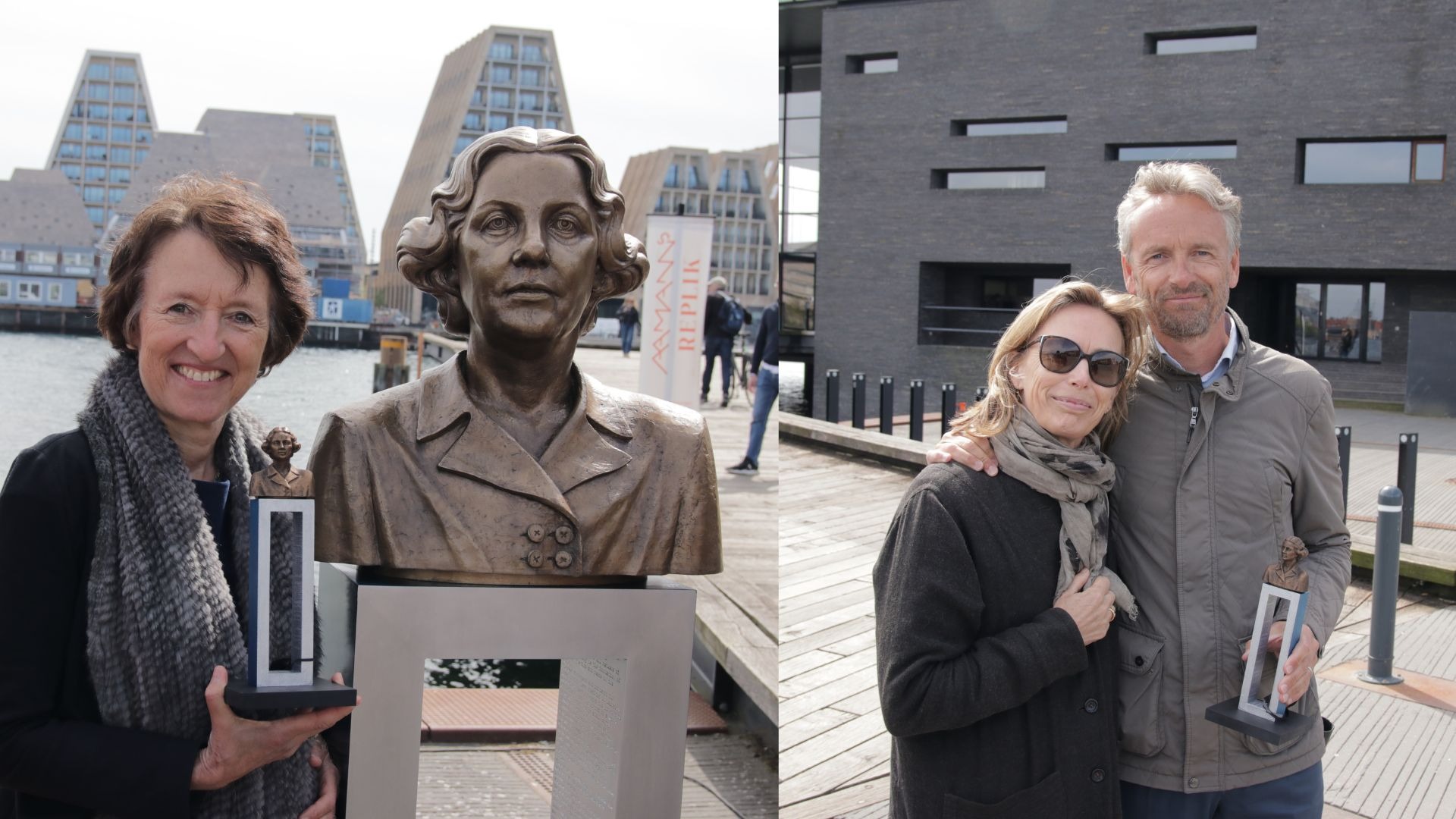
On May 6th, a new figure joined Copenhagen’s public space, as a new sculpture was unveiled at Ofelia Plads. The bronze bust, resting on an aluminium plinth, honors Danish diplomat Bodil Begtrup and was created by sculptor Eva Hjorth.
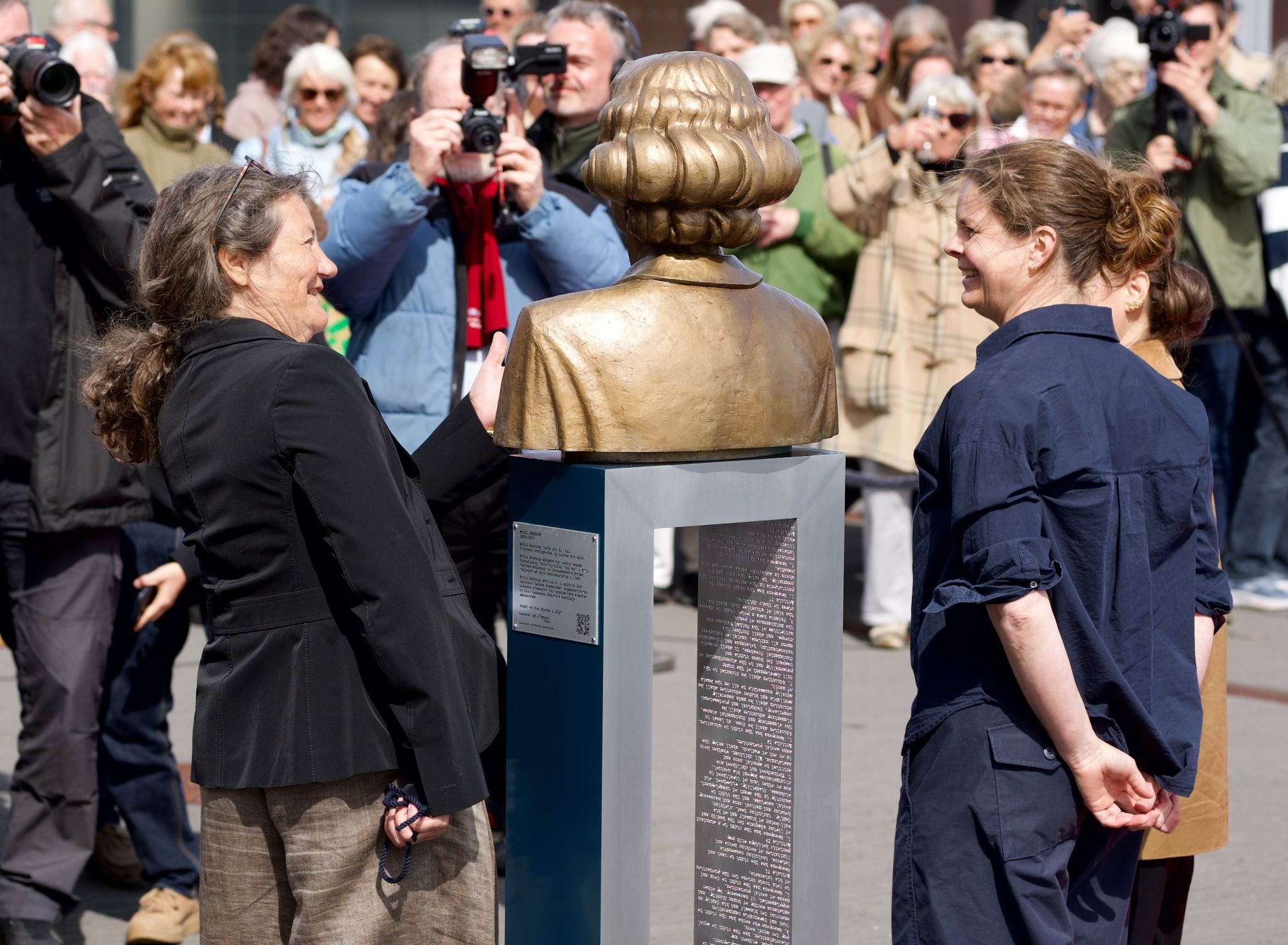
Hundreds gathered on a sunny spring morning to witness the Lord Mayor of Copenhagen, Sisse Marie Welling, unveil the work and mark the recognition of an often overlooked historical figure.
Bodil Begtrup was a pioneering force in the fight for gender equality and played a crucial role in ensuring that not only men, but also women and children, were included in the UN’s Universal Declaration of Human Rights.
The project was initiated by an interdisciplinary group consisting of CEO Mette Hoffmann Meyer (THE WHY Foundation), Ambassador Ib Petersen, and Senior Advisor Marianne Philip, with Adam Foss serving as project coordinator and Christine Buhl Andersen as artistic advisor.
The sculpture was made possible with support from the Frececo Foundation.
Honouring Bodil Begtrup’s legacy
Born in 1903 in Nibe, Denmark, Bodil Begtrup studied political science and went on to work within key women-led organisations advocating for gender equality. She later became chairperson of The Danish Women’s National Council and was one of the founders of Save The Children Denmark.
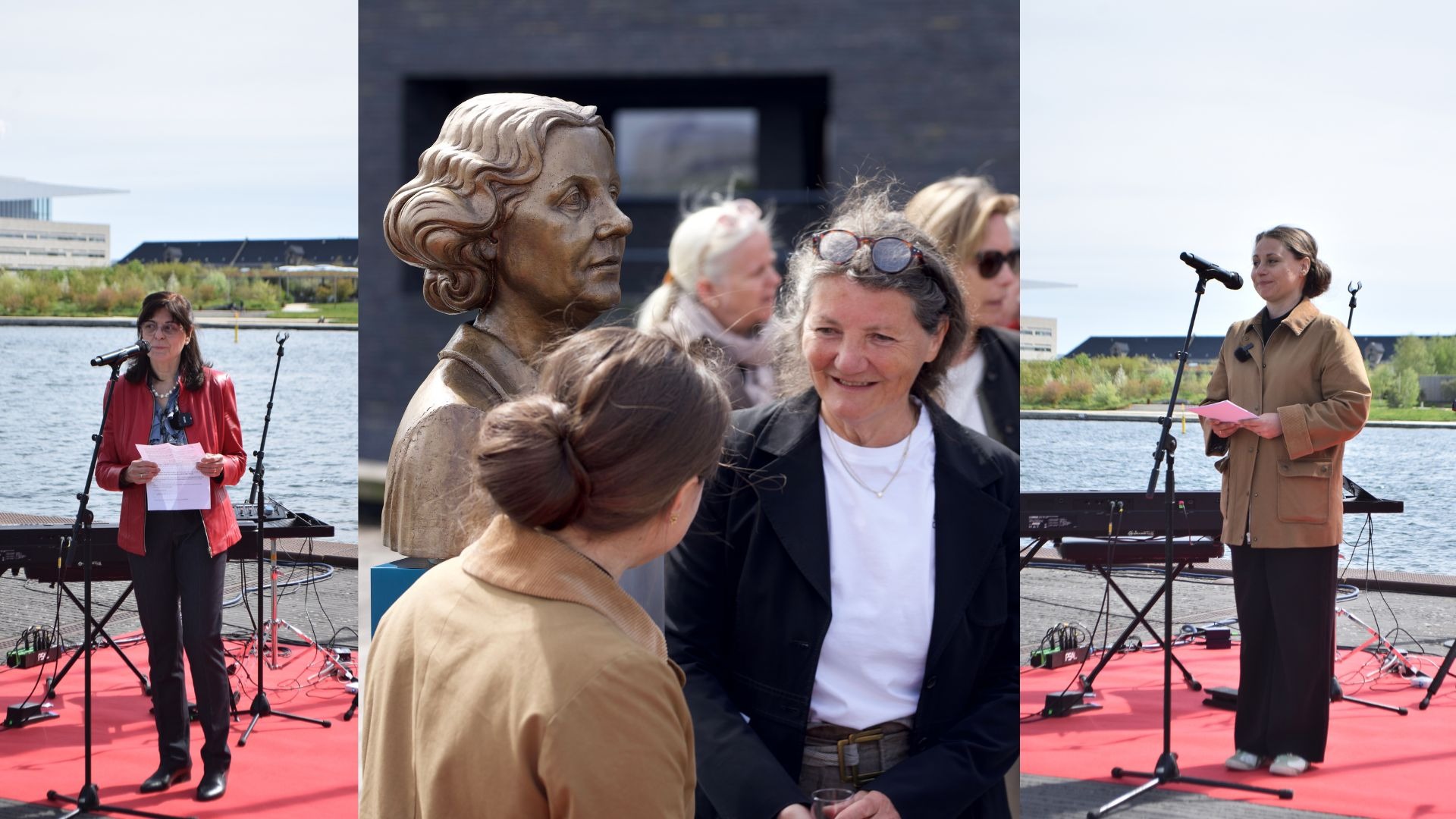
At the unveiling, Maria José Landeira Østergård, Chair of the Danish Women’s Council, reflected on Begtrup’s legacy:
“How do you find the right words for a woman who has meant so much to so many, both in Denmark and abroad?”
In her personal letter to Bodil, Maria continued:
“You were one of those women who did not just talk about change. You created it with clarity, courage, and an unwavering belief that women must have the same opportunities as men. You knew that equality is not a gift, but a right, and you worked your entire life for that right.”
A sculpture with symbolic depth
The initiative responds to a mapping conducted late last year by MAPS, which showed that out of 535 public sculptures depicting named historical figures in Denmark, only 43 of those represent women – they make up just 8% in contrast to the 90,5% of male historical figures in the Danish public spaces.
This is despite an academic committee at Aalborg University identifying more than 100 historically significant women who could be represented in public space – Bodil Begtrup was among them.
The sculpture now exists in two versions: the newly unveiled work in Copenhagen and a sister sculpture at the United Nations in Geneva, unveiled earlier this year on International Women’s Day.
The bust portrays a reflective and strong Bodil Begtrup resting on a simple modern aluminium plinth painted light blue on the outside, referencing her work at the UN. Inside, it appropriately carries the engraved text of the Universal Declaration of Human Rights, as it was one of the documents she helped shape to ensure universal protection of rights for all people.
Voices from the ceremony
Copenhagen’s Lord Mayor, Sisse Marie Welling, gave a strong speech at the unveiling, and emphasized the political responsibility behind equality:
“For me, gender equality is also political responsibility. A responsibility to use my position to ensure equal opportunity, shared power, and that everyone has a platform.”
THE WHY Foundation’s CEO, Mette Hoffmann Meyer, highlighted the broader significance of the project:
“Today, we are not only marking the unveiling of a statue. We are celebrating the person Bodil was, whose work still lives on and still obligates us. She helped make human rights universal — not only in words, but in thinking. That is a responsibility we carry today as well.”
She added:
“At THE WHY Foundation, we share those same ideals. We believe knowledge creates understanding, that facts can open eyes, and that documentary film can bring us closer to each other and to the values that bind us together: human rights and democracy.”
Changing the landscape of public memory
The unveiling of Bodil Begtrup’s sculpture is part of a broader effort to reshape how history is represented in public spaces, and whose stories are told.
With this installation, Copenhagen adds not only a new artwork, but also a necessary correction to a public landscape where women have long been underrepresented – and us here at THE WHY are proud to be part of that effort.
Bodil Begtrup’s legacy now stands in bronze at Ofelia Plads, not as a symbolic gesture, but as a visible reminder of the rights, ideas and institutions she helped shape, and the work that is still unfinished.